2nd Grade Common Core Recycled Crafts Addition Activities
Common Core Quick Links:
Common Core Standards for 2nd Grade Math, Common Core Standards for 2nd Grade ELA
Subtopics:
2nd Grade Common Core Recycled Crafts Addition Activities
Common Core Quick Links:
Common Core Standards for 2nd Grade Math, Common Core Standards for 2nd Grade ELA1 result
Math
✕2nd Grade
✕Activities
✕Recycled Crafts
✕Common Core
✕1 result
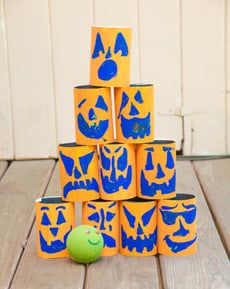

About 2nd Grade Common Core Recycled Crafts Addition Activities
On Education.com, this page provides 2nd grade Common Core addition activities using recycled crafts, emphasizing hands-on learning to reinforce addition skills. Educators and parents can explore printable lesson plans that incorporate crafting materials like cardboard, bottle caps, and paper tubes. These activities help students understand addition by building structures, creating models, or sorting items while manipulating tangible objects. Connecting math concepts to creative projects makes learning engaging and meaningful.
Materials-Based Activities for 2nd Grade Addition on Education.com include interactive worksheets, craft ideas, and classroom projects. Examples include counting objects on building structures, adding materials in construction-based activities, and using recycled objects to visualize sums. This approach allows children to experience addition in concrete contexts, strengthening number sense and problem-solving skills. Educators and parents can use ready-made printable resources to save preparation time and support at-home or classroom math practice.
By embedding addition lessons in recycled craft projects, children develop practical math skills while fostering creativity. Educators and guardians can combine math exercises with environmental awareness, making learning both fun and eco-friendly. These resources support project-based learning, hand-eye coordination, and conceptual understanding, building a strong foundation for growing numeracy confidence.
Materials-Based Activities for 2nd Grade Addition on Education.com include interactive worksheets, craft ideas, and classroom projects. Examples include counting objects on building structures, adding materials in construction-based activities, and using recycled objects to visualize sums. This approach allows children to experience addition in concrete contexts, strengthening number sense and problem-solving skills. Educators and parents can use ready-made printable resources to save preparation time and support at-home or classroom math practice.
By embedding addition lessons in recycled craft projects, children develop practical math skills while fostering creativity. Educators and guardians can combine math exercises with environmental awareness, making learning both fun and eco-friendly. These resources support project-based learning, hand-eye coordination, and conceptual understanding, building a strong foundation for growing numeracy confidence.