2nd Grade Recycled Crafts Addition Activities

Subtopics:
2nd Grade Recycled Crafts Addition Activities
1 result
Math
✕Activities
✕2nd Grade
✕Recycled Crafts
✕1 result

About 2nd Grade Recycled Crafts Addition Activities
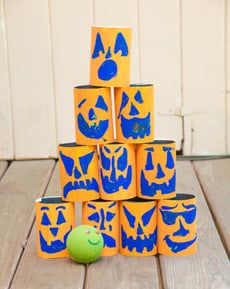
On Education.com, 2nd-grade recycled crafts addition activities include hands-on projects that combine creativity with fundamental math skills. Students can build city landscapes, make animals from bottles and paper, or craft DIY puzzles while practicing counting, addition, and sorting. These activities help make learning engaging and tangible for young learners, and inspire a love of recycling and environmental responsibility.
Education.com offers a wide range of materials, such as printable activity sheets, craft guides, and lesson plans that combine art with math practice. By using everyday items and recycled materials, children explore concepts like volume, quantities, and basic addition while developing fine motor skills and creativity. These resources support educators and parents in blending hands-on craft projects with educational lessons.
Using recycled craft addition activities provides a practical way to reinforce classroom or home-based learning at 2nd grade. Educators and parents can leverage Pre-made worksheets to guide or inspire project-based learning that balances artistic expression with math practice. This approach encourages experimentation, patience, and problem-solving while helping children integrate creative play with academic skills.
Education.com offers a wide range of materials, such as printable activity sheets, craft guides, and lesson plans that combine art with math practice. By using everyday items and recycled materials, children explore concepts like volume, quantities, and basic addition while developing fine motor skills and creativity. These resources support educators and parents in blending hands-on craft projects with educational lessons.
Using recycled craft addition activities provides a practical way to reinforce classroom or home-based learning at 2nd grade. Educators and parents can leverage Pre-made worksheets to guide or inspire project-based learning that balances artistic expression with math practice. This approach encourages experimentation, patience, and problem-solving while helping children integrate creative play with academic skills.