Educational 1st Grade Equal Parts Stories

1 result
Math
✕1st Grade
✕Stories
✕1 result
Subtopics:
Educational 1st Grade Equal Parts Stories
1 result
Math
✕1st Grade
✕Stories
✕1 result

About Educational 1st Grade Equal Parts Stories
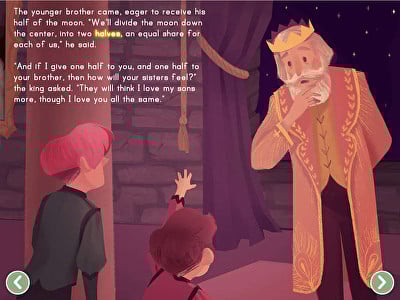
On Education.com, First Grade Equal Parts Stories provide a fun and engaging way for children to learn basic fractions using familiar items like pizza, cookies, or fruits. These stories illustrate the concept of equal parts by sharing, dividing, or comparing whole objects into halves or quarters. This resource helps young learners grasp the idea of fairness and proportionality while building foundational math skills.
On Education.com, teachers and parents can access printable worksheets, classroom activities, and interactive stories that reinforce the 'equal parts' concept through engaging narratives and hands-on exercises. The materials are designed to make learning fractions accessible and interactive, providing children with visual and practical experiences. These resources support early math education and encourage critical thinking and problem-solving skills.
By using materials like worksheets, games, and story-based learning on Education.com, educators and parents can save time while providing structured, educational activities that reinforce fractional thinking. Students can apply their understanding through varied exercises that demonstrate sharing, comparison, and measurement. This support helps children develop numeracy skills in a way that is both practical and enjoyable.
On Education.com, teachers and parents can access printable worksheets, classroom activities, and interactive stories that reinforce the 'equal parts' concept through engaging narratives and hands-on exercises. The materials are designed to make learning fractions accessible and interactive, providing children with visual and practical experiences. These resources support early math education and encourage critical thinking and problem-solving skills.
By using materials like worksheets, games, and story-based learning on Education.com, educators and parents can save time while providing structured, educational activities that reinforce fractional thinking. Students can apply their understanding through varied exercises that demonstrate sharing, comparison, and measurement. This support helps children develop numeracy skills in a way that is both practical and enjoyable.