Educational Common Core Comparing Size Games
Common Core Quick Links:
Common Core State Standards
2 results
Math
✕Games
✕Common Core
✕2 results
Educational Common Core Comparing Size Games
Common Core Quick Links:
Common Core State Standards2 results
Math
✕Games
✕Common Core
✕2 results


About Educational Common Core Comparing Size Games
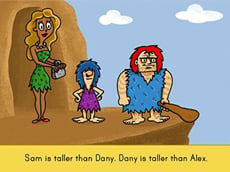
On Education.com, comparing size games provide engaging ways for students to learn about measurement concepts such as length, height, and volume. These games often use physical objects, digital simulations, or classroom activities like card games and scavenger hunts to help children understand and compare quantities and sizes. Educators and parents can find printable worksheets, interactive online games, and structured lesson plans that make practicing measurement skills fun and accessible.
By exploring how to compare objects using size, shapes, or other attributes, children develop critical thinking and observation skills. This page offers structured materials to support foundational measurement concepts through hands-on experiments, digital drills, and interactive challenges. Educators can use these resources to enhance lessons on measurement standards, while parents can reinforce learning through at-home activities.
Using materials on this page, educators and parents can create engaging lessons that make mastering size comparison a practical and enjoyable experience. Resources include games, worksheets, and interactive activities that align with standards like K.CC.6, K.CC.7, K.MD.2, and 1.MD.2. These tools support early math learning and help children build a strong foundation for measurement and comparison concepts.
By exploring how to compare objects using size, shapes, or other attributes, children develop critical thinking and observation skills. This page offers structured materials to support foundational measurement concepts through hands-on experiments, digital drills, and interactive challenges. Educators can use these resources to enhance lessons on measurement standards, while parents can reinforce learning through at-home activities.
Using materials on this page, educators and parents can create engaging lessons that make mastering size comparison a practical and enjoyable experience. Resources include games, worksheets, and interactive activities that align with standards like K.CC.6, K.CC.7, K.MD.2, and 1.MD.2. These tools support early math learning and help children build a strong foundation for measurement and comparison concepts.