Educational Fiction Text Features Games

3 results
English Language Arts
✕Games
✕Fiction
✕3 results
Educational Fiction Text Features Games
3 results
English Language Arts
✕Games
✕Fiction
✕3 results
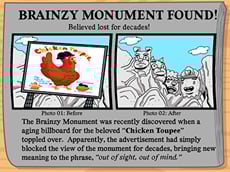




About Educational Fiction Text Features Games
On Education.com, educational fiction text features games provide fun, interactive ways to explore the elements of storytelling, such as character development, plot structure, and narrative devices. These activities help students identify and understand story components while engaging with familiar book excerpts, authors, and genres through interactive challenges and digital worksheets. This hands-on approach makes analyzing fiction accessible and enjoyable for young readers.
Readers can practice identifying key fiction elements using printable exercises, digital quizzes, and thematic scavenger hunts that highlight parts of a story like characters, setting, problem, and resolution. Classroom or home environments can incorporate these resources to reinforce reading comprehension and critical thinking skills. Educators and parents benefit from engaging, curriculum-aligned activities that turn reading practice into an interactive adventure.
By using these fiction-focused resources across content areas, students become more confident readers while enjoying structured, thematic lessons. These games, puzzles, and activities make learning about story structure more memorable and approachable, promoting a deeper grasp of narrative elements. From small-group instruction to independent practice, educators ensure students connect participatory learning with literacy development.
Readers can practice identifying key fiction elements using printable exercises, digital quizzes, and thematic scavenger hunts that highlight parts of a story like characters, setting, problem, and resolution. Classroom or home environments can incorporate these resources to reinforce reading comprehension and critical thinking skills. Educators and parents benefit from engaging, curriculum-aligned activities that turn reading practice into an interactive adventure.
By using these fiction-focused resources across content areas, students become more confident readers while enjoying structured, thematic lessons. These games, puzzles, and activities make learning about story structure more memorable and approachable, promoting a deeper grasp of narrative elements. From small-group instruction to independent practice, educators ensure students connect participatory learning with literacy development.