Common Core Multiple-Meaning Words Resources
Common Core Quick Links:
Common Core State Standards
28 results
English Language Arts
✕Common Core
✕28 results
Common Core Multiple-Meaning Words Resources
Common Core Quick Links:
Common Core State Standards28 results
English Language Arts
✕Common Core
✕28 results


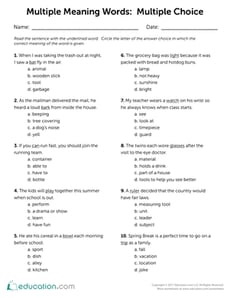


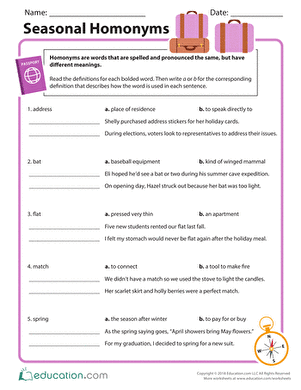


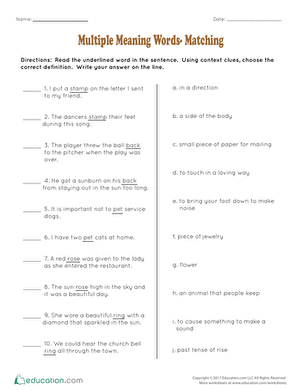

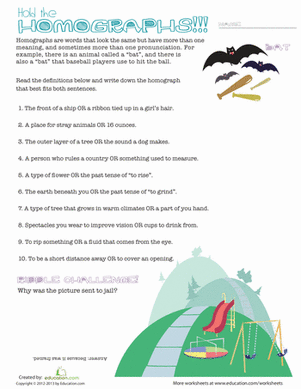


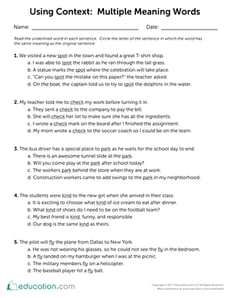
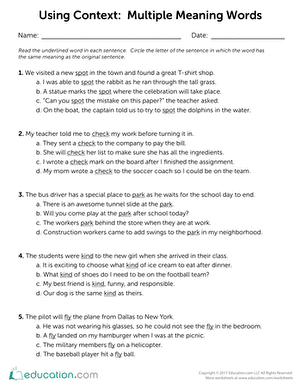


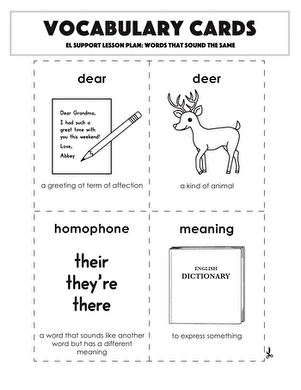
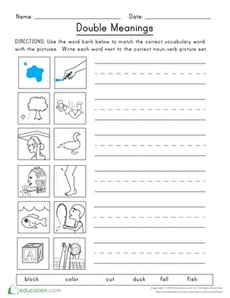


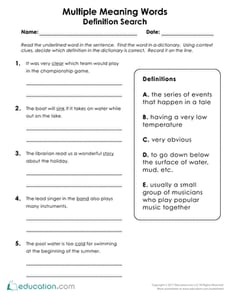

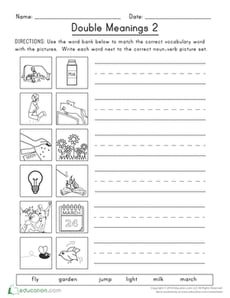


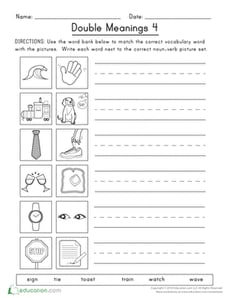





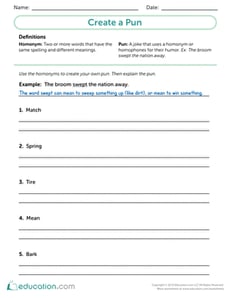


About Common Core Multiple-meaning Words Resources
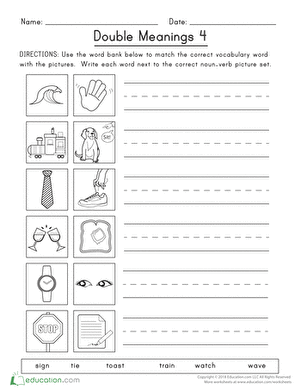
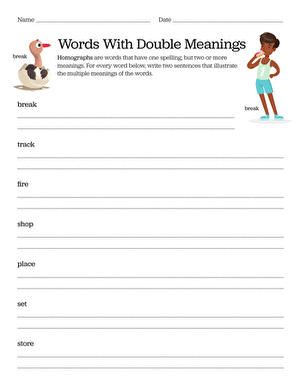
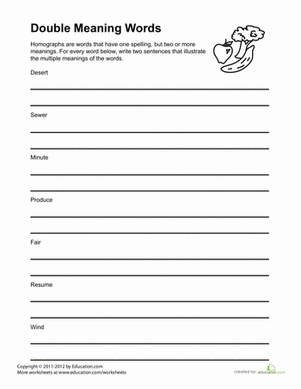
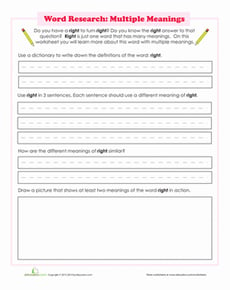
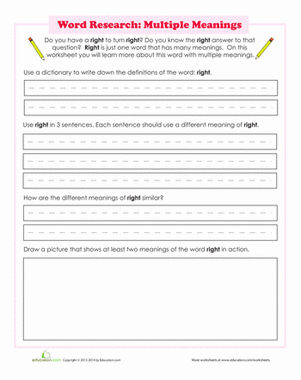
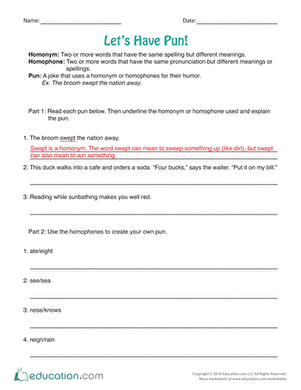
On Education.com, materials for teaching common core multiple-meaning words include interactive activities and printable worksheets that help students in grades K-5 practice identifying words with multiple meanings using context clues, matching exercises, and visual aids. These resources support reading comprehension and vocabulary development by engaging students with homonyms, homographs, and word families in both structured lessons and practice exercises.
For educators and parents, this page offers resources such as digital simulations, worksheets, and classroom activities designed to make learning multiple-meaning words both accessible and engaging. Each worksheet provides practical exercises for students to understand and apply different meanings of words, often using real-world examples to connect learning to everyday language. These materials help build confidence in reading and comprehension skills.
Using these common core-aligned resources in the classroom or at home makes it easy to incorporate targeted vocabulary practice into daily instruction. The structured content supports differentiated learning, allowing students to reinforce skills at their own pace while maintaining engagement. Educators and parents can use these resources to track progress and identify areas for further practice, ensuring steady improvement in reading fluency and word recognition.
For educators and parents, this page offers resources such as digital simulations, worksheets, and classroom activities designed to make learning multiple-meaning words both accessible and engaging. Each worksheet provides practical exercises for students to understand and apply different meanings of words, often using real-world examples to connect learning to everyday language. These materials help build confidence in reading and comprehension skills.
Using these common core-aligned resources in the classroom or at home makes it easy to incorporate targeted vocabulary practice into daily instruction. The structured content supports differentiated learning, allowing students to reinforce skills at their own pace while maintaining engagement. Educators and parents can use these resources to track progress and identify areas for further practice, ensuring steady improvement in reading fluency and word recognition.