Arts & Crafts Observations and Data Collection Activities

17 results
Science
✕Activities
✕Arts & Crafts
✕17 results
Arts & Crafts Observations and Data Collection Activities
17 results
Science
✕Activities
✕Arts & Crafts
✕17 results
















About Arts & Crafts Observations And Data Collection Activities
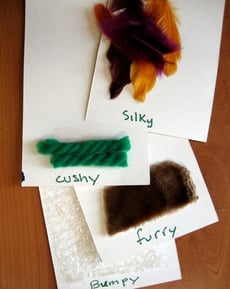
On Education.com, arts & crafts observations and data collection activities involve combining creative hands-on projects with observational science, helping young learners explore textures, colors, patterns, and sensory experiences like scent or taste. This approach promotes the development of math, science, and literacy skills by engaging students in activities such as creating texture books from found materials or examining natural objects like leaves or rocks. These lessons turn artistic expression into structured learning opportunities that connect creativity with exploration.
Education.com provides a variety of resources including worksheets, printable activities, and structured lesson plans focused on arts & crafts observations and data collection. Educators and parents can access materials that guide children through collecting and analyzing real-world objects, fostering skills in categorization, measurement, and observation. With hands-on projects that encourage exploration and documentation, children relate artistic and scientific practices in meaningful, age-appropriate ways.
Practicing arts & crafts observations and data collection with educational worksheets allows children to practice research, recording, and analytical skills while expressing their creativity. This makes learning engaging and hands-on, saving educators and parents time by providing ready-to-use activities that support critical thinking and observed-based learning. Building a foundation in both artistic expression and scientific inquiry keeps students motivated to explore, analyze, and document the natural and constructed worlds.
Education.com provides a variety of resources including worksheets, printable activities, and structured lesson plans focused on arts & crafts observations and data collection. Educators and parents can access materials that guide children through collecting and analyzing real-world objects, fostering skills in categorization, measurement, and observation. With hands-on projects that encourage exploration and documentation, children relate artistic and scientific practices in meaningful, age-appropriate ways.
Practicing arts & crafts observations and data collection with educational worksheets allows children to practice research, recording, and analytical skills while expressing their creativity. This makes learning engaging and hands-on, saving educators and parents time by providing ready-to-use activities that support critical thinking and observed-based learning. Building a foundation in both artistic expression and scientific inquiry keeps students motivated to explore, analyze, and document the natural and constructed worlds.