Snacks Patterns Activities

Subtopics:
Snacks Patterns Activities
1 result
Math
✕Activities
✕Snacks
✕1 result

About Snacks Patterns Activities
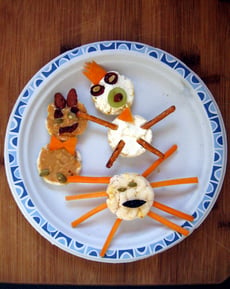
On Education.com, snacks patterns activities use food to teach children basic math and literacy skills by creating familiar patterns. Children can arrange fruit or crackers in repeating sequences like strawberry-watermelon-strawberry or learn about grouping by sorting snacks by shape and color. These hands-on activities turn snack time into playful learning experiences that reinforce counting, pattern recognition, and sequencing skills.
On Education.com, educators and parents can find strategies, worksheets, and printable templates designed for snack patterns. Resources include step-by-step instructions for creating visual patterns with real or pretend snacks, as well as interactive games that enhance pattern identification and grouping. Using food as a learning tool makes abstract math concepts concrete and engaging for young children.
On Education.com, snack patterns activities provide a fun and educational way to incorporate math and literacy into daily routines. This approach saves time by using materials already present at home or school to reinforce learning. Teachers and parents can quickly set up pattern creation or sorting exercises that support early math development, pattern recognition, and healthy eating habits.
On Education.com, educators and parents can find strategies, worksheets, and printable templates designed for snack patterns. Resources include step-by-step instructions for creating visual patterns with real or pretend snacks, as well as interactive games that enhance pattern identification and grouping. Using food as a learning tool makes abstract math concepts concrete and engaging for young children.
On Education.com, snack patterns activities provide a fun and educational way to incorporate math and literacy into daily routines. This approach saves time by using materials already present at home or school to reinforce learning. Teachers and parents can quickly set up pattern creation or sorting exercises that support early math development, pattern recognition, and healthy eating habits.