
Subtopics:
Educational Life Cycles Stories



About Educational Life Cycles Stories
On Education.com, educational life cycle stories use engaging narratives and picture books to teach children about the growth and change in plants and animals. This includes understanding stages like birth, growth, reproduction, and death, making complex biological processes accessible and interesting for young learners. These stories often feature colorful illustrations, simple text, and characters to help children visualize and remember key concepts about nature and growth.
Education.com provides a variety of resources, including printable story pages, lesson plans, and classroom activities, all designed to teach children about life cycles through engaging narratives. Teachers and parents can explore materials that incorporate story studies, interactive exercises, and creative writing projects to deepen understanding and foster curiosity. These resources make it easy to introduce biology and build literacy simultaneously while making learning fun.
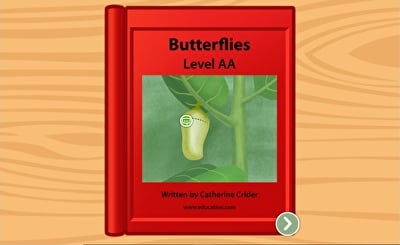
Educators and parents can use life cycle storytelling lessons to reinforce science standards and encourage observation and inquiry. By using relatable stories such as those about butterflies, frogs, or plants, children can connect scientific concepts to experiences in the natural world. This approach expains natural biological processes through engaging, hands-on, and memorable activities that support learning across subjects.
Education.com provides a variety of resources, including printable story pages, lesson plans, and classroom activities, all designed to teach children about life cycles through engaging narratives. Teachers and parents can explore materials that incorporate story studies, interactive exercises, and creative writing projects to deepen understanding and foster curiosity. These resources make it easy to introduce biology and build literacy simultaneously while making learning fun.
Educators and parents can use life cycle storytelling lessons to reinforce science standards and encourage observation and inquiry. By using relatable stories such as those about butterflies, frogs, or plants, children can connect scientific concepts to experiences in the natural world. This approach expains natural biological processes through engaging, hands-on, and memorable activities that support learning across subjects.