Educational Phonics Stories

12 results
English Language Arts
✕Stories
✕12 results
Educational Phonics Stories
12 results
English Language Arts
✕Stories
✕12 results










About Educational Phonics Stories
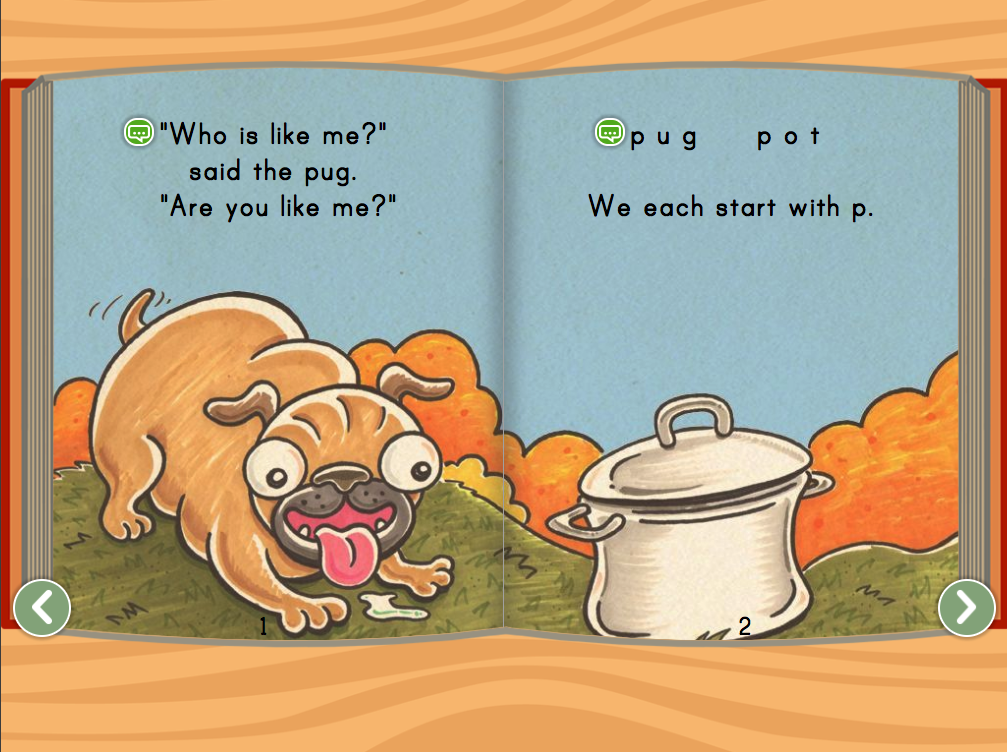
On Education.com, educational phonics stories are structured reading materials that help young learners recognize letter sounds, build phonemic awareness, and develop early reading skills. These stories combine simple, engaging narratives with phonics practice, making learning to read fun and accessible for beginners. Educators and parents can access a variety of printable worksheets, guided reading exercises, and digital materials that support phonics instruction across early childhood grade levels.
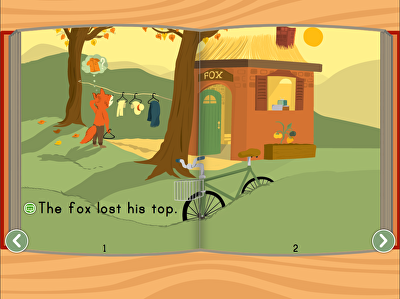
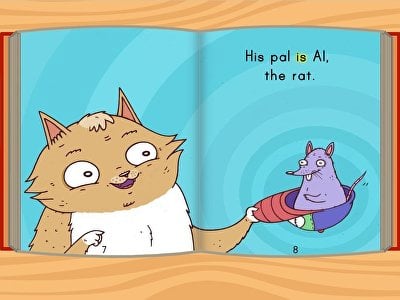
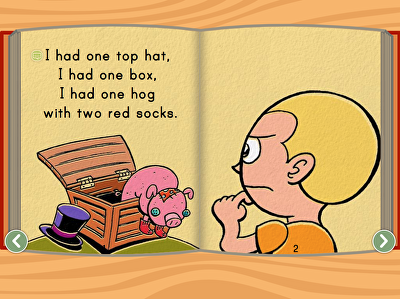
This resource includes collections of short, well-illustrated stories focused on common phonetic patterns, such as short vowels, consonant blends, and digraphs. Each story is designed to reinforce letter-sound correspondence while encouraging children to practice blending sounds and reading fluency. These materials are organized into themed sets that target specific phonetic concepts, making it easy to tailor lessons for individual learners or classroom groups.
Educators and parents can use phonics stories to create engaging lesson plans or at-home reading activities that strengthen foundational literacy skills. Students can read aloud in small groups, practice printing words, and apply phonics strategies learned in class. Access to these ready-made worksheets streamlines lesson planning and provides consistent, structured practice to support early reading development.
This resource includes collections of short, well-illustrated stories focused on common phonetic patterns, such as short vowels, consonant blends, and digraphs. Each story is designed to reinforce letter-sound correspondence while encouraging children to practice blending sounds and reading fluency. These materials are organized into themed sets that target specific phonetic concepts, making it easy to tailor lessons for individual learners or classroom groups.
Educators and parents can use phonics stories to create engaging lesson plans or at-home reading activities that strengthen foundational literacy skills. Students can read aloud in small groups, practice printing words, and apply phonics strategies learned in class. Access to these ready-made worksheets streamlines lesson planning and provides consistent, structured practice to support early reading development.