
Offline Educational Up to 10 Common Core Comparing and Ordering Multi-Digit Numbers Games
Common Core Quick Links:
Common Core State Standards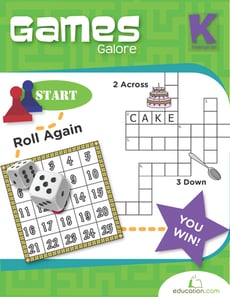

About Offline Educational Up To 10 Common Core Comparing And Ordering Multi-digit Numbers Games
On Education.com, this page provides a variety of educational games designed to help 3rd-grade students practice comparing and ordering multi-digit numbers. These online activities incorporate interactive challenges that reinforce number sense, place value understanding, and problem-solving skills. Such games offer a practical, engaging way to apply mathematical concepts and support classroom learning.
Explore a range of printable worksheets, digital simulations, and lesson plans on Education.com to aid students in mastering multi-digit comparison and ordering. Each resource aims to reinforce understanding through hands-on exercises, guided practice, and teacher-supported activities. These materials are ideal for both classroom instruction and at-home learning companions.
Educators and parents can save time by accessing ready-made resources to structure math practice, foster critical thinking, and build confidence with numbers. The variety of activities provides scalable options to differentiate instruction based on student mastery levels. Supporting young learners in recognizing patterns, estimating quantities, and developing number fluency sets a strong foundation for future math success.
Explore a range of printable worksheets, digital simulations, and lesson plans on Education.com to aid students in mastering multi-digit comparison and ordering. Each resource aims to reinforce understanding through hands-on exercises, guided practice, and teacher-supported activities. These materials are ideal for both classroom instruction and at-home learning companions.
Educators and parents can save time by accessing ready-made resources to structure math practice, foster critical thinking, and build confidence with numbers. The variety of activities provides scalable options to differentiate instruction based on student mastery levels. Supporting young learners in recognizing patterns, estimating quantities, and developing number fluency sets a strong foundation for future math success.