
Divide Using Number Lines Interactive Worksheets

About Divide Using Number Lines Interactive Worksheets
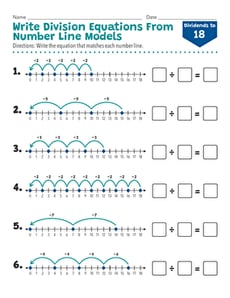
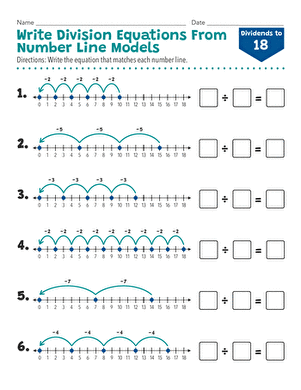
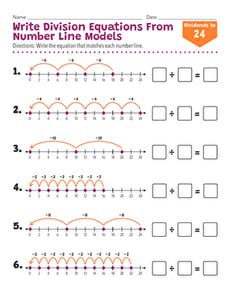
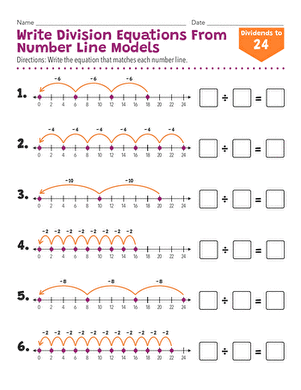
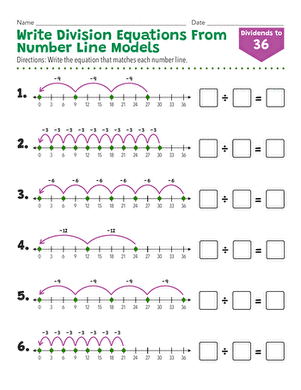
On Education.com, the Divide Using Number Lines Interactive Worksheets are educational tools that help students understand the concept of division by practicing on number lines. These materials break down division problems into visual steps, making it easier for learners to grasp the concept of evenly splitting numbers. Educators and parents can use these worksheets to build foundational math skills, promote number sense, and prepare students for more complex arithmetic operations.
The resources on Education.com include printable worksheets, digital interactive lessons, and practice exercises that teach students to use number lines for division. These materials are designed to reinforce classroom learning, support homeschooling, and provide engaging ways for kids to practice solving problems. By using materials that combine visuals with hands-on activities, students can strengthen their understanding of division while enjoying learning experiences.
Educators and parents can create guided lesson plans or independent practice sessions using these worksheets. They provide a structured yet flexible format, allowing students to develop confidence in dividing numbers with real-time feedback. Plus, utilizing number line worksheets saves time on lesson preparation while providing standardized activities that align with math standards.
The resources on Education.com include printable worksheets, digital interactive lessons, and practice exercises that teach students to use number lines for division. These materials are designed to reinforce classroom learning, support homeschooling, and provide engaging ways for kids to practice solving problems. By using materials that combine visuals with hands-on activities, students can strengthen their understanding of division while enjoying learning experiences.
Educators and parents can create guided lesson plans or independent practice sessions using these worksheets. They provide a structured yet flexible format, allowing students to develop confidence in dividing numbers with real-time feedback. Plus, utilizing number line worksheets saves time on lesson preparation while providing standardized activities that align with math standards.