
Offline Educational Preschool Plants Games


About Offline Educational Preschool Plants Games
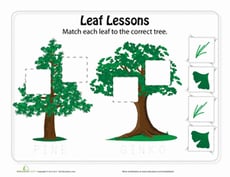
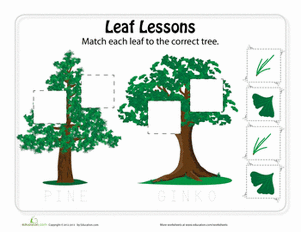
On Education.com, this section provides printable preschool plants games that help young learners explore the basics of plant biology, the parts of a plant, and the plant life cycle through hands-on activities. These games encourage observation, fine motor skills, and knowledge retention while making learning about nature engaging and fun. Examples include plant identification matchups, seed planting worksheets, and color-by-number plant diagrams. Educators and parents can use these resources to introduce plant science concepts both at home and in the classroom.
Students can complete structured activities that build observation skills as they investigate real or virtual plants. Activities such as life cycle sequencing, comparing plant parts, and pattern recognition promote critical thinking while making learning active. These printable worksheets allow children to practice skills like counting, coloring, cutting, and arranging while reinforcing plant concepts. Such materials create an enjoyable, educational experience that encourages curiosity and exploration with minimal preparation time.
Parents and teachers can incorporate these activities into lessons or home projects to supplement science curricula, support early learning standards, and make science fun. The printable nature of the plant-themed worksheets allows for easy access, repetition, and hands-on practice, making it simple to extend learning beyond the classroom. These engaging activities offer practical tools for nurturing curiosity about nature and science in young children.
Students can complete structured activities that build observation skills as they investigate real or virtual plants. Activities such as life cycle sequencing, comparing plant parts, and pattern recognition promote critical thinking while making learning active. These printable worksheets allow children to practice skills like counting, coloring, cutting, and arranging while reinforcing plant concepts. Such materials create an enjoyable, educational experience that encourages curiosity and exploration with minimal preparation time.
Parents and teachers can incorporate these activities into lessons or home projects to supplement science curricula, support early learning standards, and make science fun. The printable nature of the plant-themed worksheets allows for easy access, repetition, and hands-on practice, making it simple to extend learning beyond the classroom. These engaging activities offer practical tools for nurturing curiosity about nature and science in young children.