Offline Educational Preschool Letters Games

31 results
English Language Arts
✕Pre-K
✕Offline Games
✕31 results
Offline Educational Preschool Letters Games
31 results
English Language Arts
✕Pre-K
✕Offline Games
✕31 results























About Offline Educational Preschool Letters Games
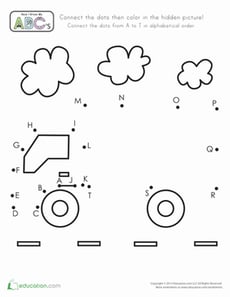
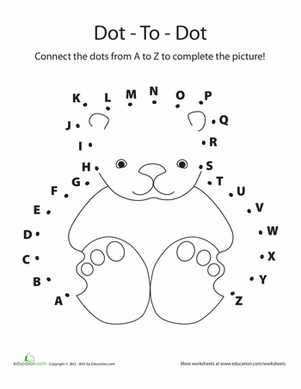
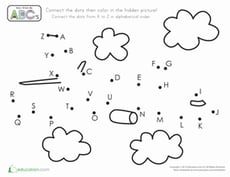
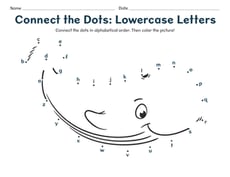
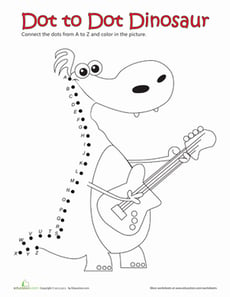
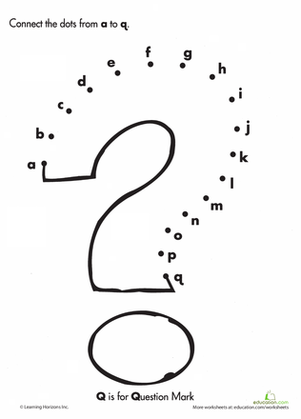
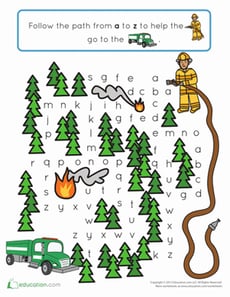
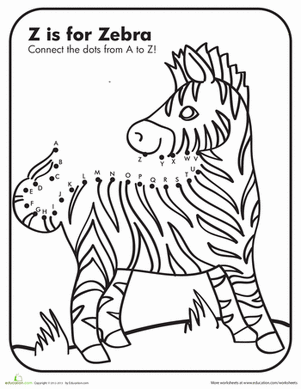
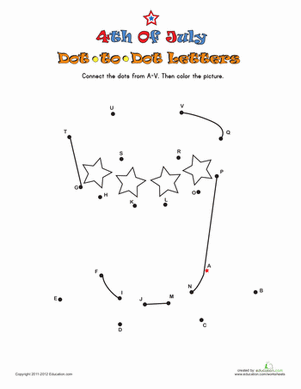
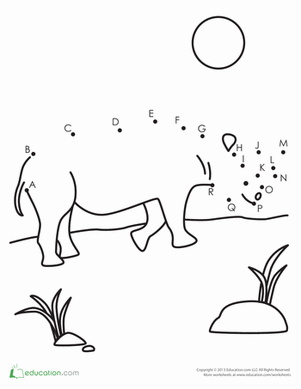
On Education.com, this page introduces a variety of offline preschool letter games that promote hands-on, interactive learning experiences. Activities like scavenger hunts, dot-to-dots, and letter tracing games help young children develop letter recognition and phonics skills while engaging in fun and engaging play. These games provide a tactile learning environment that supports early literacy without the use of digital devices.
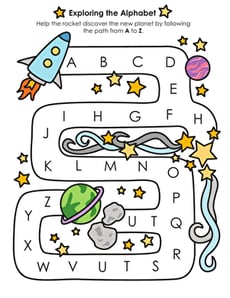
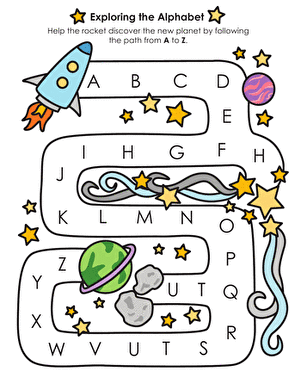
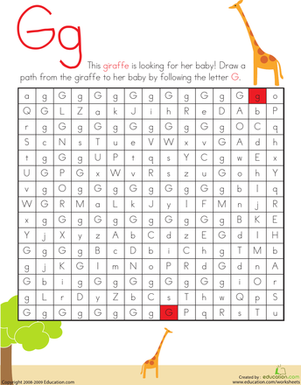
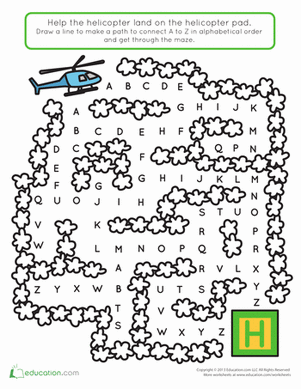
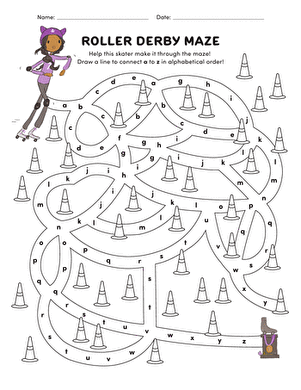
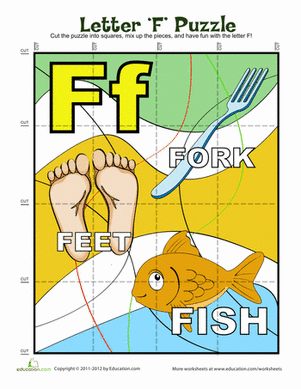
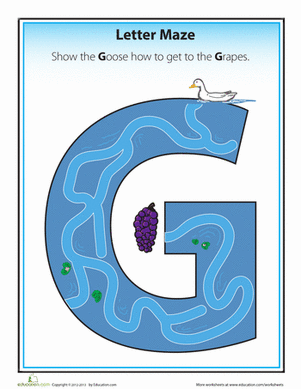
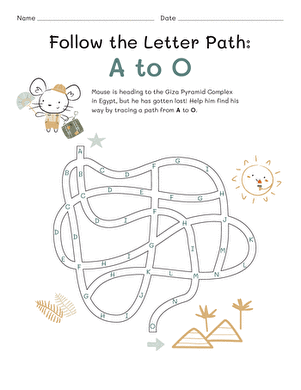
This page on Education.com offers printable worksheets and activity guides such as alphabet bingo, letter mazes, and hands-on craft exercises involving Play-Doh and blocks. These resources enable educators and parents to provide structured learning experiences that reinforce letter skills and encourage creativity. Each activity is designed to make mastering the alphabet interactive, enjoyable, and accessible for 3- to 5-year-olds.
By exploring these offline preschool letter games, early childhood educators and caregivers gain ready-made, educational activities that support ECSE standards and promote childhood developmental milestones. These materials save time and provide a variety of options to adapt to different learning styles and classroom settings. They are ideal for hands-on practice to strengthen foundational literacy skills in young learners without screen-time.
This page on Education.com offers printable worksheets and activity guides such as alphabet bingo, letter mazes, and hands-on craft exercises involving Play-Doh and blocks. These resources enable educators and parents to provide structured learning experiences that reinforce letter skills and encourage creativity. Each activity is designed to make mastering the alphabet interactive, enjoyable, and accessible for 3- to 5-year-olds.
By exploring these offline preschool letter games, early childhood educators and caregivers gain ready-made, educational activities that support ECSE standards and promote childhood developmental milestones. These materials save time and provide a variety of options to adapt to different learning styles and classroom settings. They are ideal for hands-on practice to strengthen foundational literacy skills in young learners without screen-time.