
Preschool Engineering Design Activities












About Preschool Engineering Design Activities
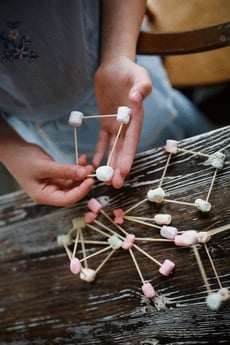
On Education.com, parent and teachers can access a variety of preschool engineering design activities designed to introduce young children to basic building, problem-solving, and experimentation concepts. These activities encourage hands-on learning with materials like blocks, cardboard, and recyclables, helping children explore engineering principles such as stability, balance, and structure. Parents and educators can find printable projects, structured lesson plans, and suggested materials that make early engineering instruction engaging and accessible.
On Education.com, preschool engineering design activities include digital simulations and materials like printable worksheets, step-by-step guides, and hands-on experiments. These resources help children practice the engineering design process while developing fine motor skills, creativity, and critical thinking. Educational materials are crafted to match young learners’ attention spans and provide structured ways to explore balance, shapes, and construction concepts.
Using these preschool engineering activities, educators and parents can provide immersive learning experiences that make engineering concepts concrete and fun. Structured lessons support early STEM education by simulating design challenges paired with assessments that track progress. These resources save planning time while encouraging problem-solving, collaboration, and innovation among young learners.
On Education.com, preschool engineering design activities include digital simulations and materials like printable worksheets, step-by-step guides, and hands-on experiments. These resources help children practice the engineering design process while developing fine motor skills, creativity, and critical thinking. Educational materials are crafted to match young learners’ attention spans and provide structured ways to explore balance, shapes, and construction concepts.
Using these preschool engineering activities, educators and parents can provide immersive learning experiences that make engineering concepts concrete and fun. Structured lessons support early STEM education by simulating design challenges paired with assessments that track progress. These resources save planning time while encouraging problem-solving, collaboration, and innovation among young learners.