
Educational Kindergarten Common Core Place Value Stories
Common Core Quick Links:
Common Core Standards for Kindergarten Math, Common Core Standards for Kindergarten ELA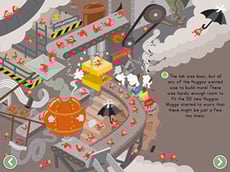

About educational kindergarten common core place value stories
On Education.com, kindergarten Common Core place value stories use engaging narratives and visuals to help children understand grouping objects into tens and ones, linking concrete items like beans or blocks to written numerals. These activities support the mastery of number composition, combining hands-on learning with literature to make abstract concepts tangible for young learners.
Education.com provides a variety of resources such as worksheets, printable activities, digital games, and lesson plans that make learning place value enjoyable and accessible. These materials demonstrate patterns in numbers and build a strong foundation for future math skills, aligning with standards like 1.NBT.B.2. Educators and parents can find ready-to-use content that reinforces teaching concepts while saving planning time.
Interactive exercises and guided readings on Education.com let parents and teachers make place value learning fun and practical. Resources cover everything from groupings with tens and ones to recognizing patterns in numbers, helping children develop confidence with addition, subtraction, and expanded numeral understanding. This ensures early math education supports both problem-solving and fluency skills.
Education.com provides a variety of resources such as worksheets, printable activities, digital games, and lesson plans that make learning place value enjoyable and accessible. These materials demonstrate patterns in numbers and build a strong foundation for future math skills, aligning with standards like 1.NBT.B.2. Educators and parents can find ready-to-use content that reinforces teaching concepts while saving planning time.
Interactive exercises and guided readings on Education.com let parents and teachers make place value learning fun and practical. Resources cover everything from groupings with tens and ones to recognizing patterns in numbers, helping children develop confidence with addition, subtraction, and expanded numeral understanding. This ensures early math education supports both problem-solving and fluency skills.