Kindergarten Arts & Crafts Common Core Three-Dimensional Shapes Resources
Common Core Quick Links:
Common Core Standards for Kindergarten Math, Common Core Standards for Kindergarten ELA
4 results
Math
✕Kindergarten
✕Common Core
✕Arts & Crafts
✕4 results
Subtopics:
Kindergarten Arts & Crafts Common Core Three-Dimensional Shapes Resources
Common Core Quick Links:
Common Core Standards for Kindergarten Math, Common Core Standards for Kindergarten ELA4 results
Math
✕Kindergarten
✕Common Core
✕Arts & Crafts
✕4 results


About Kindergarten Common Core Arts & Crafts Three-dimensional Shapes Resources
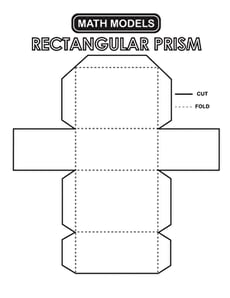
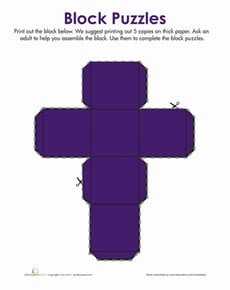
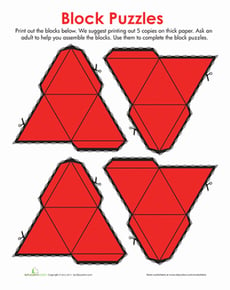
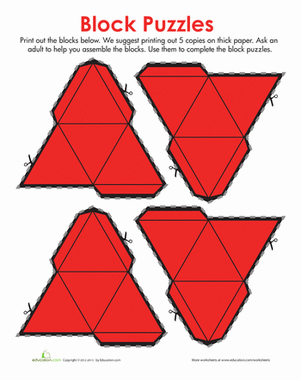
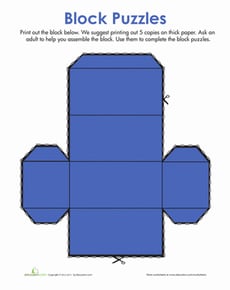
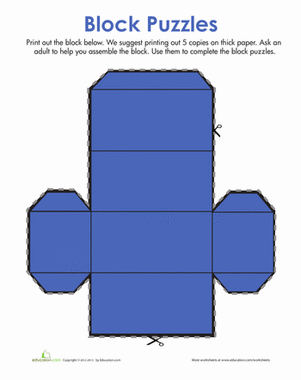
On Education.com, this page provides access to materials that teach children about three-dimensional shapes through arts and crafts. These resources help young learners explore geometric concepts by creating models, collages, and visual representations using paper, clay, and other craft supplies. Each activity is designed to make shape recognition and spatial awareness engaging and hands-on.
This page includes worksheets, printable activity guides, and lesson plans that focus on identifying, naming, and experimenting with three-dimensional objects such as cubes, cylinders, pyramids, and spheres. The resources support early geometry education, develop fine motor skills, and encourage creativity while reinforcing foundational math concepts.
Educators and parents can use these materials to create interactive classroom lessons or at-home learning experiences. By combining arts with math, children reinforce shape recognition in fun, practical ways that promote both spatial understanding and artistic expression.
This page includes worksheets, printable activity guides, and lesson plans that focus on identifying, naming, and experimenting with three-dimensional objects such as cubes, cylinders, pyramids, and spheres. The resources support early geometry education, develop fine motor skills, and encourage creativity while reinforcing foundational math concepts.
Educators and parents can use these materials to create interactive classroom lessons or at-home learning experiences. By combining arts with math, children reinforce shape recognition in fun, practical ways that promote both spatial understanding and artistic expression.