
Kindergarten Reading Response Activities

About Kindergarten Reading Response Activities
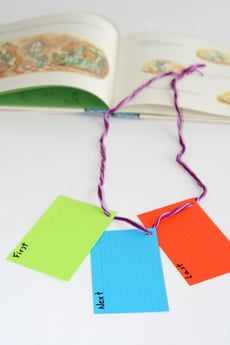
On Education.com, kindergarten reading response activities include printable worksheets, story retelling exercises, drawing prompts, and hands-on crafts like creating story necklaces or character puppets. These resources encourage young learners to connect with stories, reinforce comprehension, and practice literacy skills in a fun, engaging way. By incorporating creative and interactive tasks, educators and parents can help children develop a love for reading while building foundational skills.
This page on Education.com offers a variety of reading response lesson plans, worksheets, and printable activities for kindergarten students. Materials are designed to support early literacy development, comprehension, and critical thinking by providing guided exercises such as retelling stories, drawing favorite parts, labeling characters, or rating books with faces. Educators and parents can access structured activities that make practicing reading skills interactive and enjoyable.
Educators and parents can use these activities to track progress, build confidence, and make learning to read both educational and entertaining. My daughter recognizes well-loved characters and suggests her own story ideas using these worksheets, pausing discussions or sharing ideas with friends and family, creating personal engagement with the texts. By activating imagination and setting a strong literacy foundation, these activities serve as a stepping stone to reading success.
This page on Education.com offers a variety of reading response lesson plans, worksheets, and printable activities for kindergarten students. Materials are designed to support early literacy development, comprehension, and critical thinking by providing guided exercises such as retelling stories, drawing favorite parts, labeling characters, or rating books with faces. Educators and parents can access structured activities that make practicing reading skills interactive and enjoyable.
Educators and parents can use these activities to track progress, build confidence, and make learning to read both educational and entertaining. My daughter recognizes well-loved characters and suggests her own story ideas using these worksheets, pausing discussions or sharing ideas with friends and family, creating personal engagement with the texts. By activating imagination and setting a strong literacy foundation, these activities serve as a stepping stone to reading success.