Kindergarten Word Families Activities

1 result
English Language Arts
✕Activities
✕Kindergarten
✕1 result
Kindergarten Word Families Activities
1 result
English Language Arts
✕Activities
✕Kindergarten
✕1 result

About Kindergarten Word Families Activities
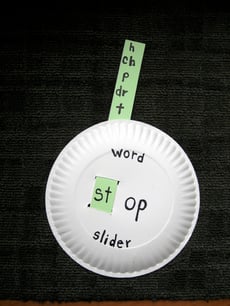
On Education.com, kindergarten word families activities provide engaging ways for young learners to recognize and practice rhyming words and patterns. These activities include create-your-own word family houses, fill-in-the-blank worksheets, and interactive card games that help children identify common prefixes, endings, and spelling patterns. Using tactile and visual tools encourages early literacy skills through hands-on learning. Parents and teachers can incorporate these activities into daily lessons to reinforce reading and phonemic awareness.
This page features printable worksheets, interactive games, and lesson plans that make learning word families enjoyable and accessible. Each resource includes playful exercises like matching rhyming words, building word family trains, and sorting words by vowel patterns, supporting systematic phonics instruction. With a variety of activities, children can develop fluency, strengthen decoding skills, and gain confidence in reading.
Educators and caregivers can use percent-ready classroom resources or create at-home practice sessions to supplement instruction. These lessons offer structured yet adaptable ways for early readers to connect sounds to words, build vocabulary, and enjoy the process of learning to read. Engagement with these activities supports foundational literacy skills that contribute to academic success across subjects.
This page features printable worksheets, interactive games, and lesson plans that make learning word families enjoyable and accessible. Each resource includes playful exercises like matching rhyming words, building word family trains, and sorting words by vowel patterns, supporting systematic phonics instruction. With a variety of activities, children can develop fluency, strengthen decoding skills, and gain confidence in reading.
Educators and caregivers can use percent-ready classroom resources or create at-home practice sessions to supplement instruction. These lessons offer structured yet adaptable ways for early readers to connect sounds to words, build vocabulary, and enjoy the process of learning to read. Engagement with these activities supports foundational literacy skills that contribute to academic success across subjects.