Kindergarten Snacks Construction & Sculpture Educational Resources
3 results
Kindergarten
✕Construction & Sculpture
✕Snacks
✕3 results
Kindergarten Snacks Construction & Sculpture Educational Resources
3 results
Kindergarten
✕Construction & Sculpture
✕Snacks
✕3 results


About Kindergarten Snacks Construction & Sculpture Educational Resources
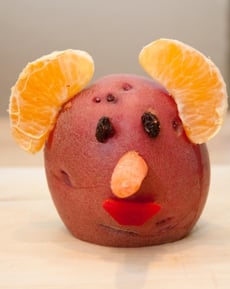
On Education.com, this page offers fun and educational activities that combine STEM, art, and nutrition through edible construction and sculpture projects. These activities involve using fruit, vegetables, crackers, cheese, marshmallows, and other snacks, along with toothpicks or pretzel sticks to create structures, practice engineering skills like spaghetti towers, and make edible art such as fruit animals. Age-appropriate templates and hands-on exercises help young children learn shapes, spatial reasoning, and problem-solving while enjoying a healthy snack. These activities blend creativity, fine motor development, and nutritional education to excite young learners and involve with engaging, hands-on lessons.
On Education.com, explore a variety of printable resources like shape sorting mats, engineering challenges, and food art lesson plans that support early STEM education through snack construction projects. Materials include worksheets, activity guides, and interactive lessons designed to develop fine motor coordination, creativity, and scientific thinking. Educators and parents can enhance lesson plans or at-home learning with ready-made guides that encourage experimentation and problem-solving. These resources help children make meaningful connections between art, physics, and nutrition education while having fun with food-inspired STEM activities.
On Education.com, discover classroom-ready lesson plans, printable activities, and science and art projects centered on Building Edible Sculptures, creates fun, tactile learning for younger students. Educators can incorporate these activities into lessons to promote teamwork, practical engineering, creativity, and nutritional awareness. By featuring hands-on projects that combine art and science, educators encourage critical thinking while keeping students engaged. Parents can also access structured examples that inspire interaction, learning, and play at home. These varied educational resources make STEM, art, and nutrition accessible, fun, and developmentally supportive for early learners.
On Education.com, explore a variety of printable resources like shape sorting mats, engineering challenges, and food art lesson plans that support early STEM education through snack construction projects. Materials include worksheets, activity guides, and interactive lessons designed to develop fine motor coordination, creativity, and scientific thinking. Educators and parents can enhance lesson plans or at-home learning with ready-made guides that encourage experimentation and problem-solving. These resources help children make meaningful connections between art, physics, and nutrition education while having fun with food-inspired STEM activities.
On Education.com, discover classroom-ready lesson plans, printable activities, and science and art projects centered on Building Edible Sculptures, creates fun, tactile learning for younger students. Educators can incorporate these activities into lessons to promote teamwork, practical engineering, creativity, and nutritional awareness. By featuring hands-on projects that combine art and science, educators encourage critical thinking while keeping students engaged. Parents can also access structured examples that inspire interaction, learning, and play at home. These varied educational resources make STEM, art, and nutrition accessible, fun, and developmentally supportive for early learners.