
Offline Educational Kindergarten Composing Two-Dimensional Shapes Games








About Offline Educational Kindergarten Composing Two-dimensional Shapes Games
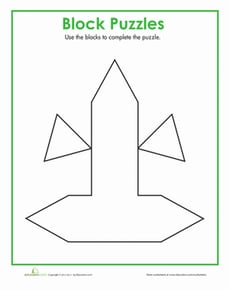
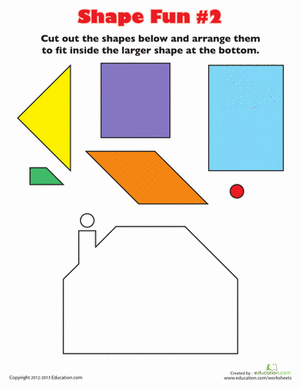
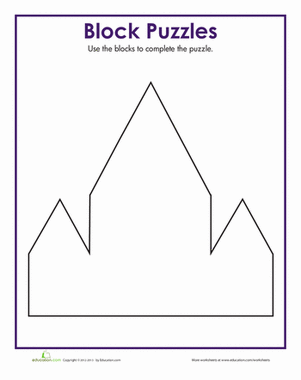
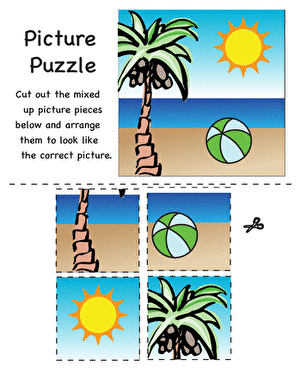
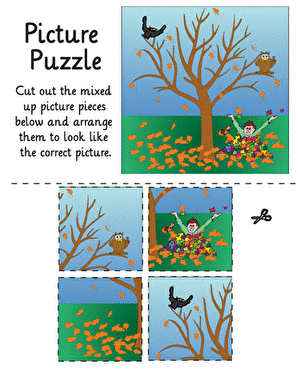
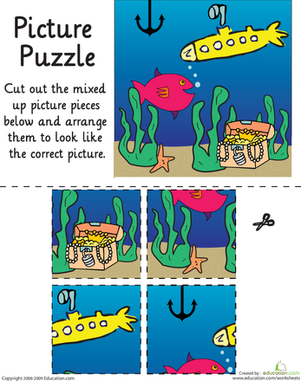
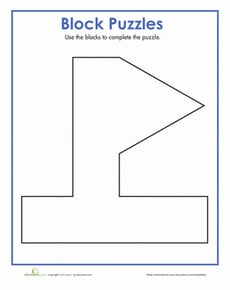
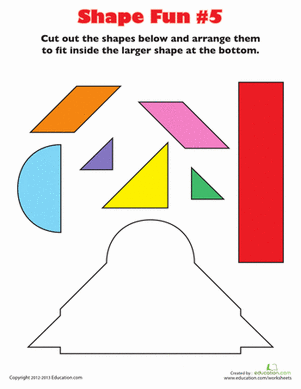
On Education.com, preschool students can explore hands-on activities and printables that promote learning about two-dimensional shapes. These resources include shape puzzles, shape sorting with physical cutouts, and pad-based pattern creation that develop spatial awareness and shape recognition skills. Incorporating idiom exploration, meaning-making, curriculum design, as well as curriculum-based educational worksheets provides educators with practical tools to enhance geometry lessons through engaging activities.
Pre-K & Kindergarten educators and parents can access a variety of educational tools like shape-stamp art projects, shape-naming worksheets, and strategic shape games such as Shape Bingo. These resources reinforce geometry concepts while allowing children to learn through play, visual-tactile interaction, and problem-solving exercises. Using materials that connect shapes to creative expression helps make learning both fun and meaningful.
These shape games help children build foundational math skills, while teachers and parents save time planning engaging and effective lessons. Printable activities support at-home learning, schoolwork, or classroom experiences that promote shapes recognition, counting, and spatial thinking. By using structured, curriculum-based resources, children can gain confidence in geometry while enjoying hands-on and interactive educational experiences.
Pre-K & Kindergarten educators and parents can access a variety of educational tools like shape-stamp art projects, shape-naming worksheets, and strategic shape games such as Shape Bingo. These resources reinforce geometry concepts while allowing children to learn through play, visual-tactile interaction, and problem-solving exercises. Using materials that connect shapes to creative expression helps make learning both fun and meaningful.
These shape games help children build foundational math skills, while teachers and parents save time planning engaging and effective lessons. Printable activities support at-home learning, schoolwork, or classroom experiences that promote shapes recognition, counting, and spatial thinking. By using structured, curriculum-based resources, children can gain confidence in geometry while enjoying hands-on and interactive educational experiences.