
8th Grade Point of View and Perspective Resources
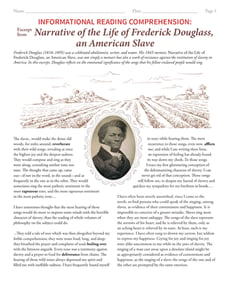


About 8th Grade Point Of View And Perspective Resources
On Education.com, eighth-grade point of view and perspective resources include comparative lessons, interactive worksheets, and group activities that help students analyze how characters’ backgrounds and personal experiences influence their views. These materials assist students in understanding literary and narrative techniques used to convey characters’ perspectives and shaping students’ analytical skills.
Edications.com offers a variety of tools to practice understanding first, second, and third person in stories through printable worksheets, on-screen exercises, and interactive assessments. Resources here support comprehension of how narrative voice adds depth and context to literature, literature-based writing assignments, and storytelling exercises. These activities enable students to explore various viewpoints across genres such as fairy tales, novels, and para-Writing.
Educators and parents can utilize this collection to create engaging lessons or homework assignments that make perspective analysis accessible and interactive. Using guided practice and real-fiction examples, students deepen their reading comprehension, strengthen analytical thinking, and enhance writing skills. Educators save time while providing structured opportunities to explore multiple literary perspectives.
Edications.com offers a variety of tools to practice understanding first, second, and third person in stories through printable worksheets, on-screen exercises, and interactive assessments. Resources here support comprehension of how narrative voice adds depth and context to literature, literature-based writing assignments, and storytelling exercises. These activities enable students to explore various viewpoints across genres such as fairy tales, novels, and para-Writing.
Educators and parents can utilize this collection to create engaging lessons or homework assignments that make perspective analysis accessible and interactive. Using guided practice and real-fiction examples, students deepen their reading comprehension, strengthen analytical thinking, and enhance writing skills. Educators save time while providing structured opportunities to explore multiple literary perspectives.