
Subtopics:
7th Grade Cause and Effect Resources



About 7th Grade Cause And Effect Resources
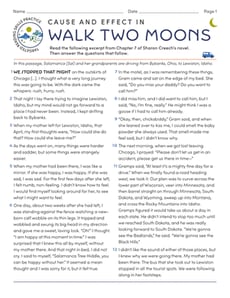
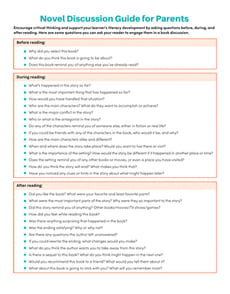
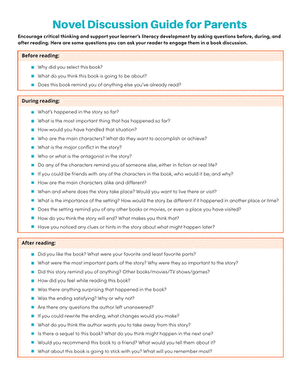
On Education.com, seventh-grade cause and effect resources include printable worksheets, digital graphic organizers, and lesson plans that help students understand how actions lead to specific outcomes. These materials are designed to support teachers and parents in teaching the fundamental concept of cause and effect across different subjects, such as science, history, and daily life. This helps students develop critical thinking and analytical skills while engaging with engaging and structured educational activities.
Browse a collection of interactive lessons, matching games with cards or pictures, and printable activities that allow students to explore cause-and-effect relationships. These resources provide real-world examples from natural sciences, social studies, and everyday experiences, making learning practical and relatable. By integrating base reading materials with hands-on activities, students can see the relevance and application of cause-and-effect reasoning.
Educators and parents can use this variety of resources to reinforce cause-and-effect concepts through classroom games, homework assignments, or hands-on exercises at home. Using structured charts, digital simulations, and real-world examples, learners can explore how events connect and influence one another. These tools make it easier to build foundational critical thinking skills while encouraging active and engaged learning.
Browse a collection of interactive lessons, matching games with cards or pictures, and printable activities that allow students to explore cause-and-effect relationships. These resources provide real-world examples from natural sciences, social studies, and everyday experiences, making learning practical and relatable. By integrating base reading materials with hands-on activities, students can see the relevance and application of cause-and-effect reasoning.
Educators and parents can use this variety of resources to reinforce cause-and-effect concepts through classroom games, homework assignments, or hands-on exercises at home. Using structured charts, digital simulations, and real-world examples, learners can explore how events connect and influence one another. These tools make it easier to build foundational critical thinking skills while encouraging active and engaged learning.