
Subtopics:
6th Grade Point of View and Perspective Worksheets







About 6th Grade Point Of View And Perspective Worksheets
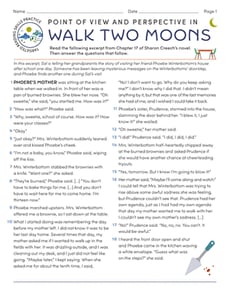
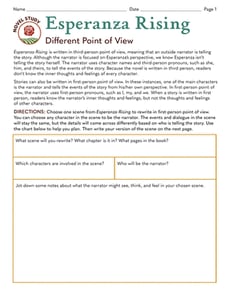
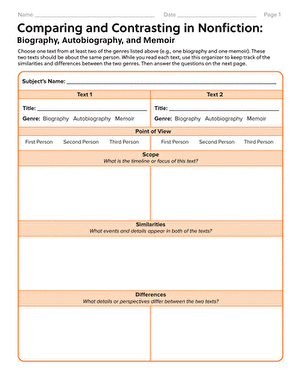
On Education.com, 6th grade point of view and perspective worksheets help students understand how authors craft stories through the eyes of different characters. These educational resources guide learners in recognizing first-person, second-person, and third-person perspectives while analyzing characters and plot development. By working through these worksheets, students develop critical thinking skills and strengthen their ability to interpret stories from multiple angles.
This page offers various 6th grade point of view and perspective worksheets, printable activities, and lesson plans designed to engage students in exploring literary techniques. These resources also include exercises that help students identify narrative voice, distinguish between different viewpoints, and understand story structure. Educators and parents can use these materials to enhance reading comprehension and analytical thinking in the classroom or at home.
Using these worksheets in the classroom or at home allows educators and parents to save time while providing students with structured practice in analyzing text and understanding narrative perspectives. Students gain experience applying these concepts to reading or writing exercises, improving overall literacy and storytelling skills.
This page offers various 6th grade point of view and perspective worksheets, printable activities, and lesson plans designed to engage students in exploring literary techniques. These resources also include exercises that help students identify narrative voice, distinguish between different viewpoints, and understand story structure. Educators and parents can use these materials to enhance reading comprehension and analytical thinking in the classroom or at home.
Using these worksheets in the classroom or at home allows educators and parents to save time while providing students with structured practice in analyzing text and understanding narrative perspectives. Students gain experience applying these concepts to reading or writing exercises, improving overall literacy and storytelling skills.