6th Grade Onomatopoeia Worksheets

2 results
English Language Arts
✕Worksheets
✕6th Grade
✕2 results
6th Grade Onomatopoeia Worksheets
2 results
English Language Arts
✕Worksheets
✕6th Grade
✕2 results


About 6th Grade Onomatopoeia Worksheets
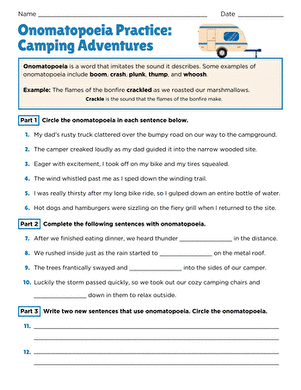
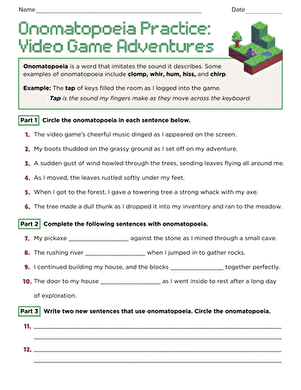
On Education.com, students can explore 6th grade onomatopoeia worksheets that help them understand how words mimic sounds. These activities introduce students to auditory imagery in sentences, poems, and stories, making reading and writing more engaging. The site provides printable worksheets, interactive exercises, and writing prompts focused on practicing onomatopoeia in fun and educational ways.
Visitors can browse 6th grade onomatopoeia worksheets that include exercises for identifying sound words, creating sentences with onomatopoeia, and generating original examples. These resources support language arts standards by enhancing vocabulary, reading comprehension, and creative writing skills. Teachers and parents can use these structured activities to encourage students’ experimentation with sound words while reinforcing phonetic patterns and descriptive language.
Educators and families can incorporate 6th grade onomatopoeia worksheets into writing lessons, story exercises, or classroom competitions. These resources streamline lesson planning by providing ready-to-use activities that promote phonetic awareness and poem composition. Learning about onomatopoeia through practice exercises helps students apply sound-mimicking words creatively, strengthening their ability to write vivid, lively narratives.
Visitors can browse 6th grade onomatopoeia worksheets that include exercises for identifying sound words, creating sentences with onomatopoeia, and generating original examples. These resources support language arts standards by enhancing vocabulary, reading comprehension, and creative writing skills. Teachers and parents can use these structured activities to encourage students’ experimentation with sound words while reinforcing phonetic patterns and descriptive language.
Educators and families can incorporate 6th grade onomatopoeia worksheets into writing lessons, story exercises, or classroom competitions. These resources streamline lesson planning by providing ready-to-use activities that promote phonetic awareness and poem composition. Learning about onomatopoeia through practice exercises helps students apply sound-mimicking words creatively, strengthening their ability to write vivid, lively narratives.