
6th Grade Area of Quadrilaterals Resources











About 6th Grade Area Of Quadrilaterals Resources
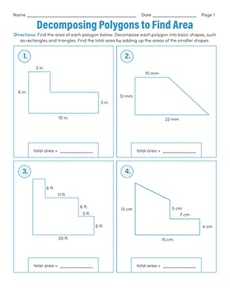
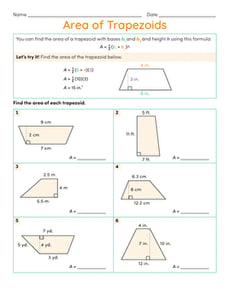
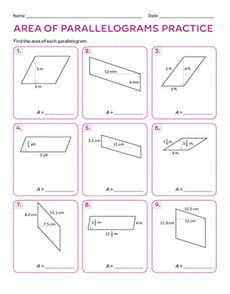
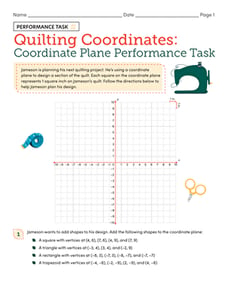
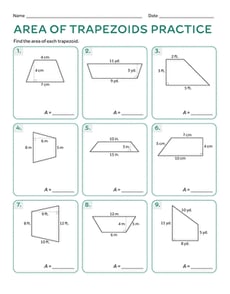
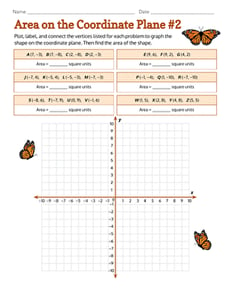
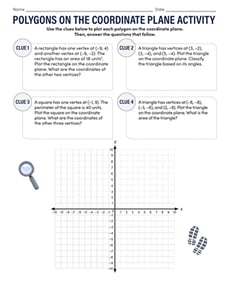
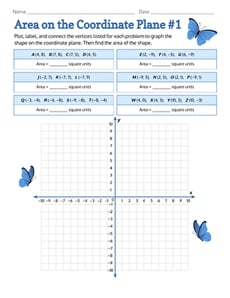
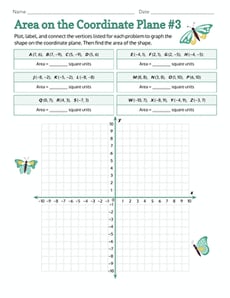
On Education.com, 6th-grade area of quadrilaterals resources focus on calculating the area of rectangles, parallelograms, trapezoids, and composite figures. These materials include lessons, practice worksheets, and interactive exercises that help students learn to break complex shapes into simpler components. Educators and parents can access a variety of structured activities designed to promote understanding of geometric concepts with visual aids and step-by-step instructions.
This page offers structured printables, digital games, and hands-on classroom resources to reinforce the skills associated with measuring the area of quadrilaterals. Materials are tailored to develop strategic problem-solving, spatial reasoning, and critical thinking while aligning with sixth-grade math standards (CCSS 6.G.A.1). These resources allow students to explore geometric shapes, interpret measurements accurately, and apply formulas effectively in different contexts.
Educators and parents can use these quadrilaterals resources to create engaging lesson plans, at-home learning activities, or classroom exercises. This collection provides variety and flexibility, ensuring students practice both decomposing complex shapes and calculating the areas of simpler rectangles or parallelograms. Using these resources supports diverse learning styles and emphasizes essential geometry skills across multiple subjects.
This page offers structured printables, digital games, and hands-on classroom resources to reinforce the skills associated with measuring the area of quadrilaterals. Materials are tailored to develop strategic problem-solving, spatial reasoning, and critical thinking while aligning with sixth-grade math standards (CCSS 6.G.A.1). These resources allow students to explore geometric shapes, interpret measurements accurately, and apply formulas effectively in different contexts.
Educators and parents can use these quadrilaterals resources to create engaging lesson plans, at-home learning activities, or classroom exercises. This collection provides variety and flexibility, ensuring students practice both decomposing complex shapes and calculating the areas of simpler rectangles or parallelograms. Using these resources supports diverse learning styles and emphasizes essential geometry skills across multiple subjects.