
5th Grade Vocabulary Interactive Worksheets
21 results
English Language Arts
✕Interactive Worksheets
✕5th Grade
✕Sort by:
21 results
Sort by:



















5th Grade Vocabulary Interactive Worksheets
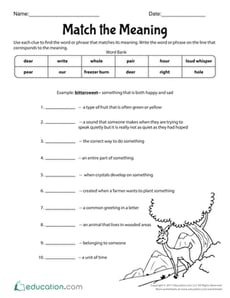
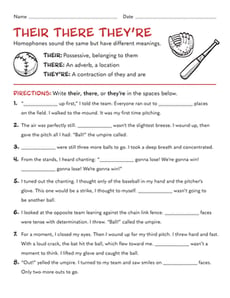
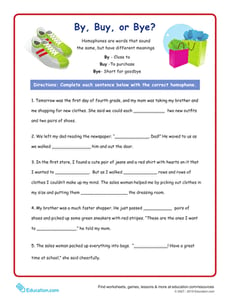
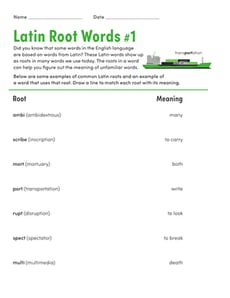
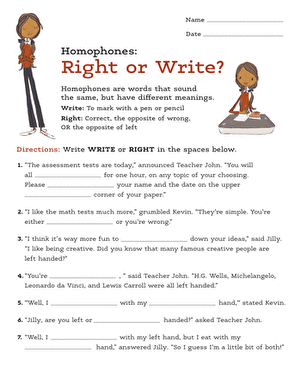
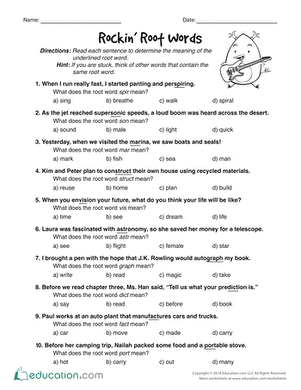
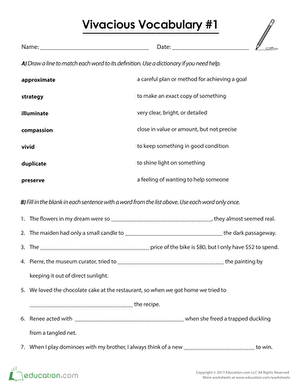
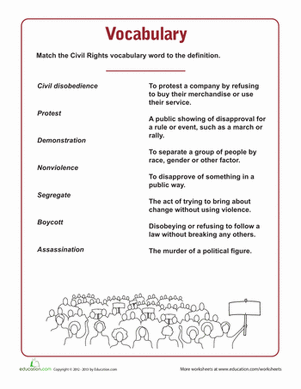
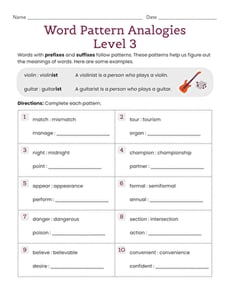
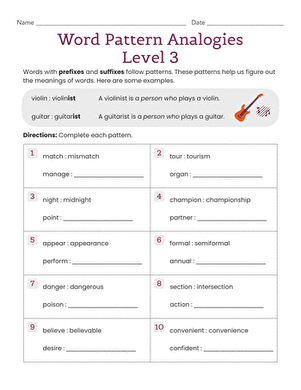
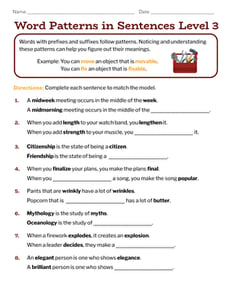
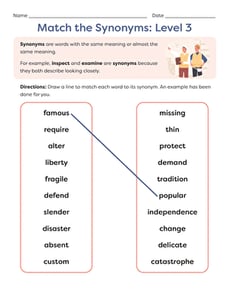
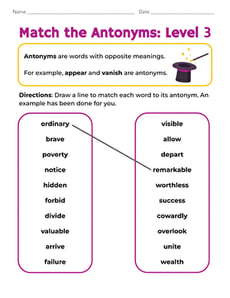
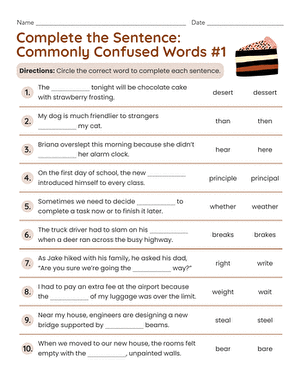
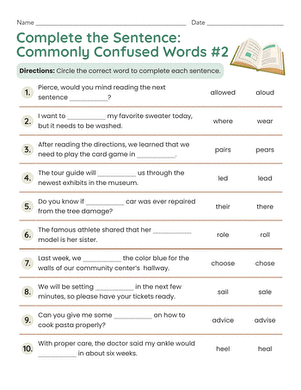
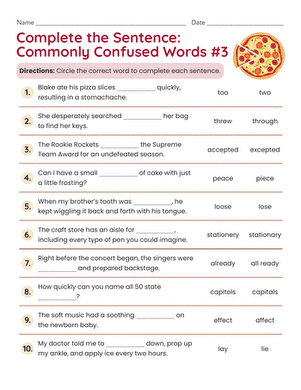
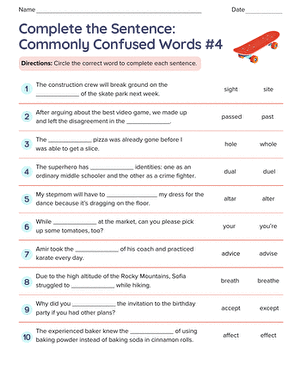
On Education.com, parents and teachers can access a collection of 5th-grade vocabulary interactive worksheets, printable activities, and engaging lesson plans designed to strengthen students’ understanding of language and literary concepts. These resources are created to help students expand their word knowledge, learn new vocabulary, and improve reading comprehension. The worksheets include exercises on synonyms, antonyms, prefixes, suffixes, context clues, and word usage, providing a comprehensive approach to mastering vocabulary at this grade level.
5th-grade vocabulary refers to the set of words that students are expected to learn and use effectively as they build on foundational language skills. This includes learning new words, understanding their meanings, and applying them correctly in speech and writing. At this stage, students explore a diverse range of vocabulary concepts, including character and setting descriptions in literature, academic terms, and everyday language used in conversation and writing.
Parents and teachers can use these worksheets to support classroom learning, homework assignments, or at-home study. The activities provide opportunities for practice, reinforce language arts objectives, and encourage students to explore new words in context. By integrating interactive vocabulary exercises into daily lessons or study routines, educators and caregivers can help students build confidence, enhance communication skills, and lay a strong foundation for ongoing literacy success.
5th-grade vocabulary refers to the set of words that students are expected to learn and use effectively as they build on foundational language skills. This includes learning new words, understanding their meanings, and applying them correctly in speech and writing. At this stage, students explore a diverse range of vocabulary concepts, including character and setting descriptions in literature, academic terms, and everyday language used in conversation and writing.
Parents and teachers can use these worksheets to support classroom learning, homework assignments, or at-home study. The activities provide opportunities for practice, reinforce language arts objectives, and encourage students to explore new words in context. By integrating interactive vocabulary exercises into daily lessons or study routines, educators and caregivers can help students build confidence, enhance communication skills, and lay a strong foundation for ongoing literacy success.