
4th Grade Story Elements Resources















About 4th Grade Story Elements Resources
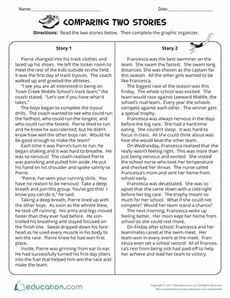
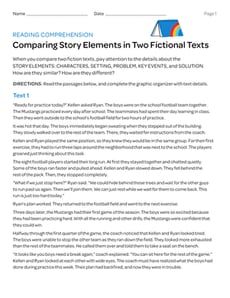
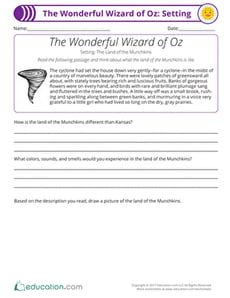
On Education.com, students can explore 4th-grade story element resources, including worksheets, interactive lessons, and printable activities that teach the key elements of a story such as characters, setting, plot, conflict, theme, and point of view. These materials are designed to help children build reading comprehension skills and analyze stories in engaging ways, including exercises and practice pages that highlight each element with examples and prompts.
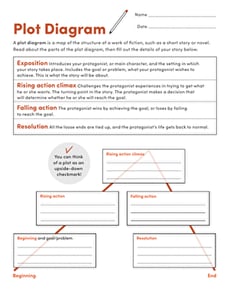
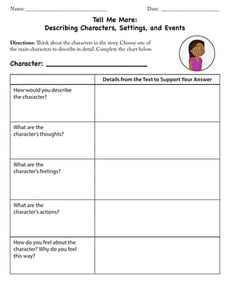
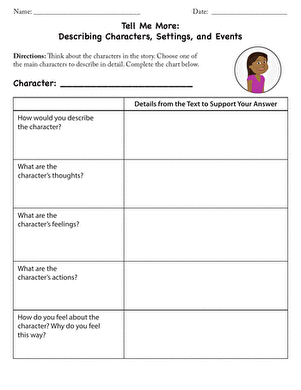
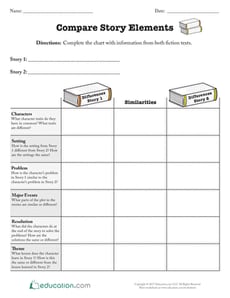
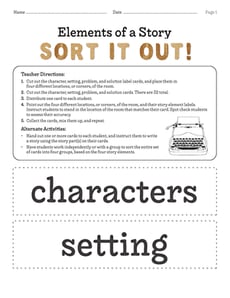
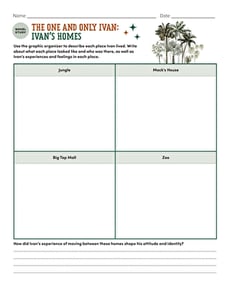
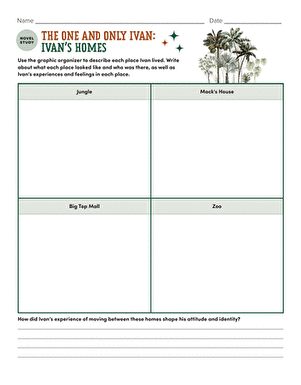
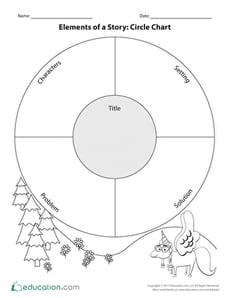
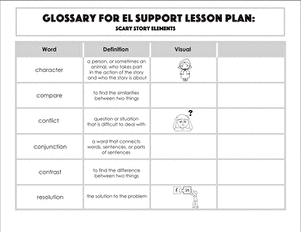
Examples of 4th-grade story element resources on Education.com include lesson plans with reading strategies, printable color posters that illustrate plot development, graphic organizers to chart story elements, comprehension worksheets, and interactive activities that encourage close reading and creative storytelling. These resources support educators and parents in providing structured and fun ways for children to analyze stories, understand narrative structure, and improve literacy skills.
Using these lesson plans and activities, teachers and parents can save time by accessing ready-made materials that reinforce reading, comprehension, and critical thinking. Structured practice helps students recognize story elements, interpret messages, and connect themes to personal experiences while fostering a lifelong love of reading and storytelling.
Examples of 4th-grade story element resources on Education.com include lesson plans with reading strategies, printable color posters that illustrate plot development, graphic organizers to chart story elements, comprehension worksheets, and interactive activities that encourage close reading and creative storytelling. These resources support educators and parents in providing structured and fun ways for children to analyze stories, understand narrative structure, and improve literacy skills.
Using these lesson plans and activities, teachers and parents can save time by accessing ready-made materials that reinforce reading, comprehension, and critical thinking. Structured practice helps students recognize story elements, interpret messages, and connect themes to personal experiences while fostering a lifelong love of reading and storytelling.