
4th Grade Alphabet Resources


About 4th Grade Alphabet Resources
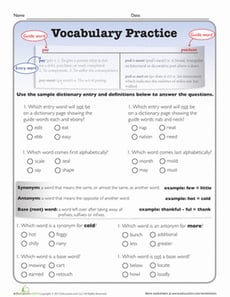
On Education.com, 4th grade alphabet resources provide structured materials to help students strengthen spelling, phonics, and letter recognition skills. These resources include printable worksheets, interactive activities, and practice exercises designed to support classroom learning and at-home instruction. Educators and parents can access materials that reinforce Core literacy standards and build a solid foundation for reading and writing.
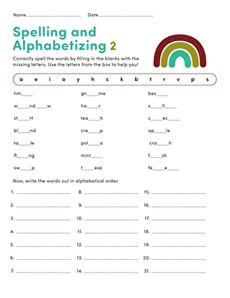
This section features a variety of alphabet-focused worksheets, including letter tracing, uppercase and lowercase practice, phoneme matching, and alphabet sequencing. The resources are structured to expand students’ knowledge of the alphabet while engaging them through hands-on activities. Each page offers an opportunity for young learners to reinforce their familiarity with letters while developing fine motor skills and critical thinking.
Educators and parents can incorporate these materials into daily literacy practice, centers, or homework assignments. The printable worksheets and interactive pages save time by providing ready-to-use resources that make learning engaging and effective. By using these tools, students can build confidence with letters, set the stage for reading comprehension, and gain early literacy skills in an organized way.
This section features a variety of alphabet-focused worksheets, including letter tracing, uppercase and lowercase practice, phoneme matching, and alphabet sequencing. The resources are structured to expand students’ knowledge of the alphabet while engaging them through hands-on activities. Each page offers an opportunity for young learners to reinforce their familiarity with letters while developing fine motor skills and critical thinking.
Educators and parents can incorporate these materials into daily literacy practice, centers, or homework assignments. The printable worksheets and interactive pages save time by providing ready-to-use resources that make learning engaging and effective. By using these tools, students can build confidence with letters, set the stage for reading comprehension, and gain early literacy skills in an organized way.