3rd Grade Time Lesson Plans

1 result
Math
✕Lesson Plans
✕3rd Grade
✕1 result
Subtopics:
3rd Grade Time Lesson Plans
1 result
Math
✕Lesson Plans
✕3rd Grade
✕1 result
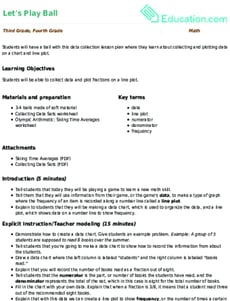

About 3rd Grade Time Lesson Plans
On Education.com, 3rd grade time lesson plans provide structured resources to help young learners understand the concepts of reading clocks, telling time, and calculating elapsed time. These lesson plans include teacher guides, printable worksheets, and activities that build foundational skills in telling time accurately. They are ideal for classroom instruction or homeschooling at home, supporting goals like time recognition and practical math application.
Browsing Education.com’s 3rd grade time lesson plans offers access to a variety of digital resources, including interactive exercises, clock diagrams, practice worksheets, and hands-on activities that reinforce learning. Each lesson aggregates materials designed to make telling time engaging and accessible, ensure retention, and enhance problem-solving skills. This collection assists educators and parents in providing consistent, structured math practice tailored to this grade level.
Use these 3rd grade time lesson plans to develop real-world learning experiences, such as reading analog clocks, calculating time intervals, and applying time concepts to daily routines. They save educators and parents from creating lessons from scratch, providing ready-to-use materials that strengthen understanding through repetition and practice. By utilizing these resources, children gain confidence in telling time that they can use in everyday situations.
Browsing Education.com’s 3rd grade time lesson plans offers access to a variety of digital resources, including interactive exercises, clock diagrams, practice worksheets, and hands-on activities that reinforce learning. Each lesson aggregates materials designed to make telling time engaging and accessible, ensure retention, and enhance problem-solving skills. This collection assists educators and parents in providing consistent, structured math practice tailored to this grade level.
Use these 3rd grade time lesson plans to develop real-world learning experiences, such as reading analog clocks, calculating time intervals, and applying time concepts to daily routines. They save educators and parents from creating lessons from scratch, providing ready-to-use materials that strengthen understanding through repetition and practice. By utilizing these resources, children gain confidence in telling time that they can use in everyday situations.