2nd Grade Educational Resources

































About 2nd Grade Educational Resources
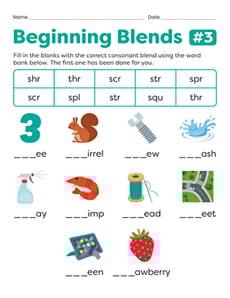
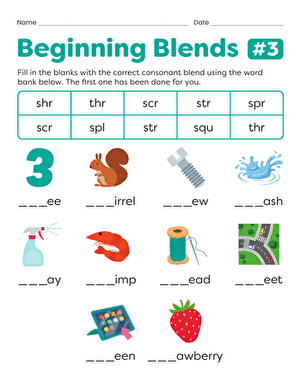
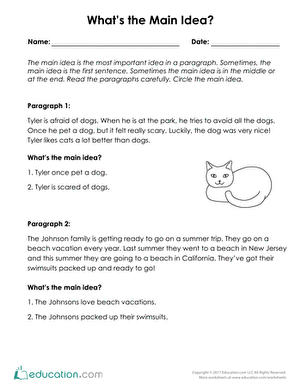
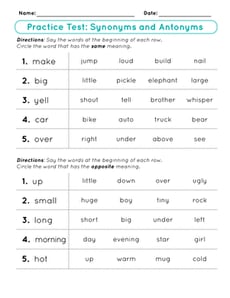
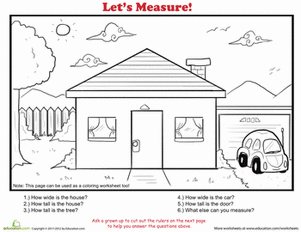
On Education.com, 2nd grade educational resources provide a variety of worksheets, printable activities, and lesson plans that support foundational skills in math, reading, writing, and science. These materials are designed to help children solidify classroom learning and practice skills at home or in the classroom. Each resource is crafted by educational experts to ensure it promotes learning while being engaging and accessible.
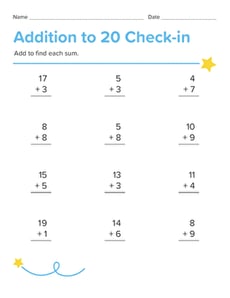
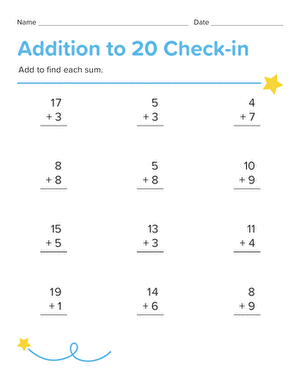
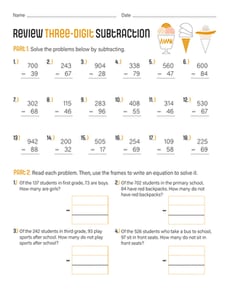
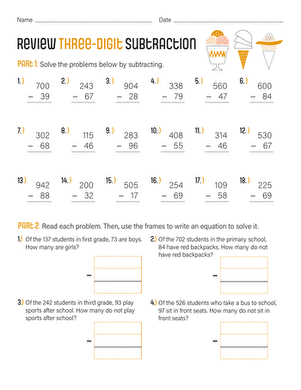
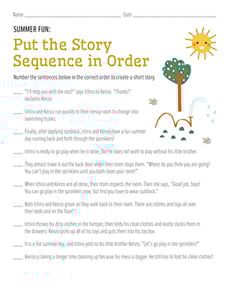
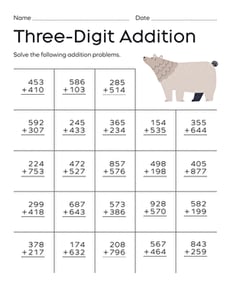
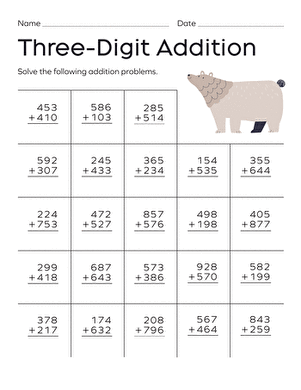
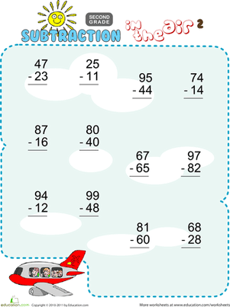
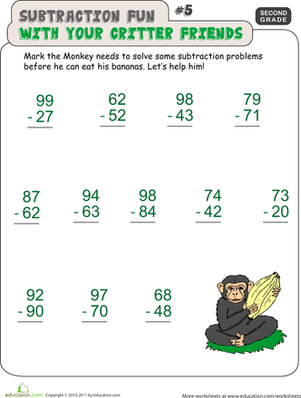
Explore a wide range of materials including subtraction and addition practice sheets, reading comprehension exercises, handwriting worksheets, and science experiments. These handouts make it easy for parents and teachers to supplement lessons, reinforce concepts, and track progress with structured activities tailored for 2nd grade students.
Using these resources, children can reinforce school lessons through fun, interactive worksheets that encourage hands-on learning. Educators and parents can save time planning lessons and provide targeted practice to build confidence and master essential skills for future academic success.
Explore a wide range of materials including subtraction and addition practice sheets, reading comprehension exercises, handwriting worksheets, and science experiments. These handouts make it easy for parents and teachers to supplement lessons, reinforce concepts, and track progress with structured activities tailored for 2nd grade students.
Using these resources, children can reinforce school lessons through fun, interactive worksheets that encourage hands-on learning. Educators and parents can save time planning lessons and provide targeted practice to build confidence and master essential skills for future academic success.