
Educational 1st Grade Skip Counting Games




About Educational 1st Grade Skip Counting Games
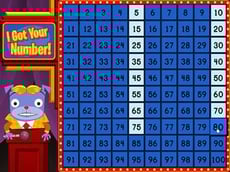
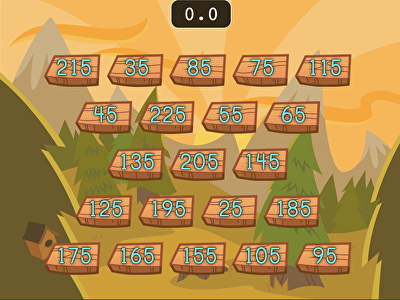
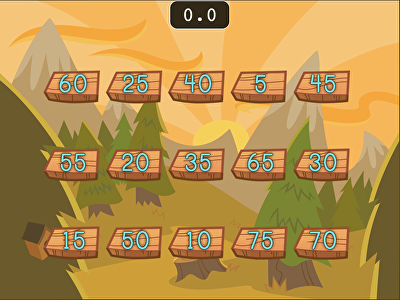
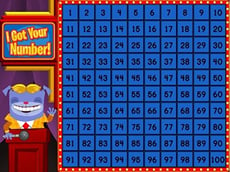
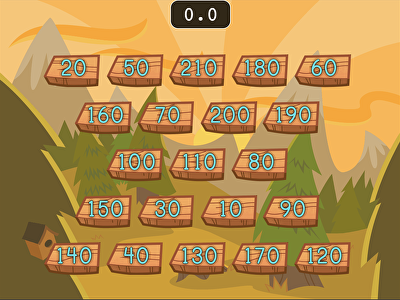
On Education.com, first-grade skip counting games provide engaging ways for children to learn counting by 2s, 5s, and 10s through interactive activities. These games make practicing early math skills fun and support number sense development with hands-on experiences, printable worksheets, and digital challenges that strengthen pattern recognition and foundational arithmetic. By incorporating paper-based exercises, classroom tables, and at-home practice, educators and parents can create enriching learning environments that simplify arithmetic mastery. These resources build confidence in young learners while making math accessible and enjoyable.
Samples include activities that display number line tracks, dice game categorization, or themed digital adventures like counting-packed pizza slices or rainbow numbers. Materials range from simple classroom exercises to interactive apps and digital puzzles, providing age-appropriate ways to reinforce skip counting patterns. These activities help children move from rote counting to understanding groups of numbers, laying a foundation for addition, subtraction, and multiplication. Educators and parents can use these resources to observe progress, confirm mastery, and introduce more advanced calculations in a structured, engaging way.
Using third-grade skip counting games can supplement classroom instruction or home learning. Children practice skip counting while exploring patterns, problem-solving, and applying math concepts in enjoyable ways. Digital games and hands-on activities make abstract numbers concrete, helping students relate to counting as a fun challenge. By integrating these activity sheets and online games into regular lessons, educators can encourage continuous learning and create a positive approach to math. Parents can also monitor progress and support confidence-building at home with practical, interactive tools.
Samples include activities that display number line tracks, dice game categorization, or themed digital adventures like counting-packed pizza slices or rainbow numbers. Materials range from simple classroom exercises to interactive apps and digital puzzles, providing age-appropriate ways to reinforce skip counting patterns. These activities help children move from rote counting to understanding groups of numbers, laying a foundation for addition, subtraction, and multiplication. Educators and parents can use these resources to observe progress, confirm mastery, and introduce more advanced calculations in a structured, engaging way.
Using third-grade skip counting games can supplement classroom instruction or home learning. Children practice skip counting while exploring patterns, problem-solving, and applying math concepts in enjoyable ways. Digital games and hands-on activities make abstract numbers concrete, helping students relate to counting as a fun challenge. By integrating these activity sheets and online games into regular lessons, educators can encourage continuous learning and create a positive approach to math. Parents can also monitor progress and support confidence-building at home with practical, interactive tools.