
1st Grade Context Clues Resources







About 1st Grade Context Clues Resources
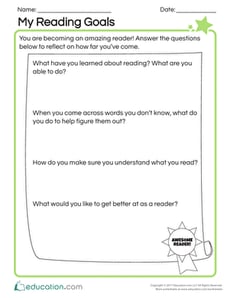
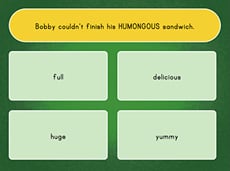
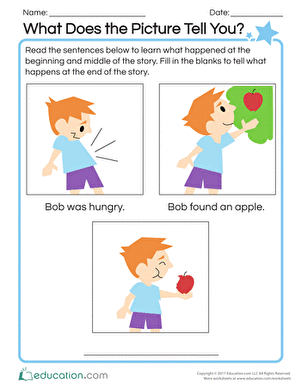
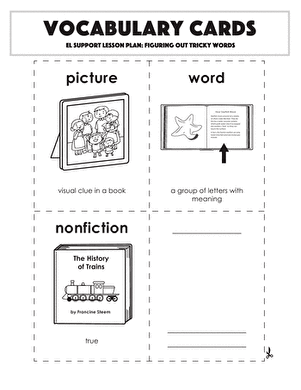
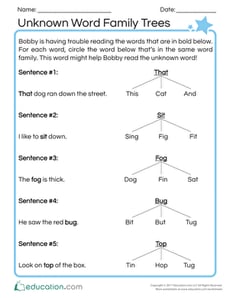
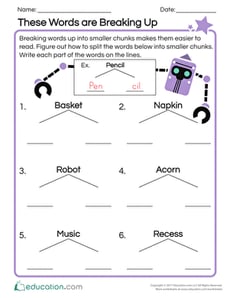
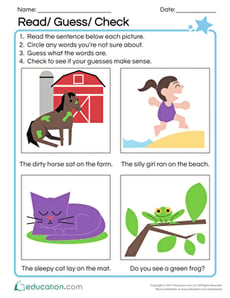
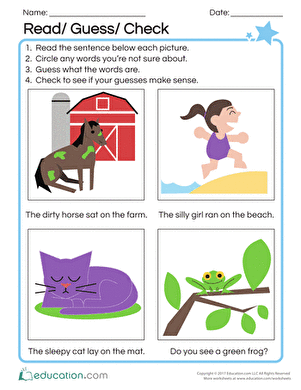
On Education.com, 1st grade context clues resources help young students develop reading comprehension skills by teaching them how to use hints within sentences, pictures, and familiar words to understand new vocabulary. These materials include printable worksheets telling stories, providing sight word exercises, and engaging puzzles that promote skills like inference and prediction. Teachers and parents can access structured activities designed to support early literacy and make learning both effective and enjoyable.
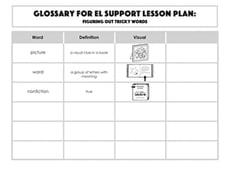
Printables such as story-based worksheets, classroom teaching tools, and digital practice exercises offer structured ways for children to learn to identify and apply context clues in reading. These resources help students uncover the meaning of unfamiliar words using clues in sentences, pictures, or related words while reinforcing reading fluency. Printable activities encourage hands-on practice that boosts confidence and improves comprehension skills.
Educators and parents can use these Context Clues resources to create lesson plans, reinforce classroom instruction, or provide extra practice at home. By offering activities that combine reading, writing, and critical thinking, learners build stronger literacy foundations. Using structured materials helps make lessons engaging and consistent while supporting children’s broader language development.
Printables such as story-based worksheets, classroom teaching tools, and digital practice exercises offer structured ways for children to learn to identify and apply context clues in reading. These resources help students uncover the meaning of unfamiliar words using clues in sentences, pictures, or related words while reinforcing reading fluency. Printable activities encourage hands-on practice that boosts confidence and improves comprehension skills.
Educators and parents can use these Context Clues resources to create lesson plans, reinforce classroom instruction, or provide extra practice at home. By offering activities that combine reading, writing, and critical thinking, learners build stronger literacy foundations. Using structured materials helps make lessons engaging and consistent while supporting children’s broader language development.