
Early Childhood Math Resources






























About Early Childhood Math Resources
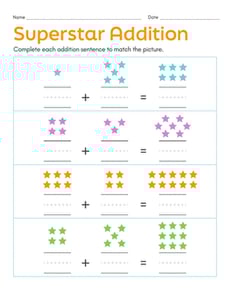
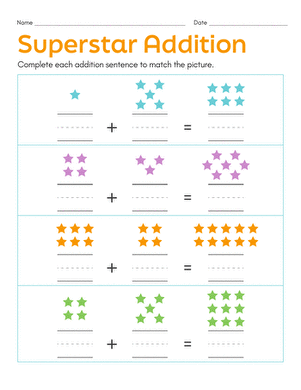
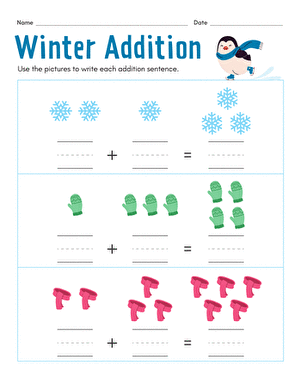
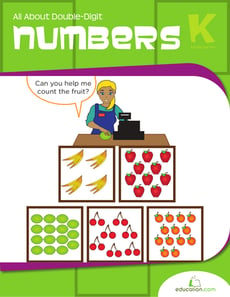
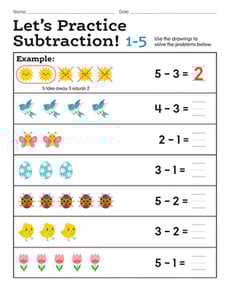
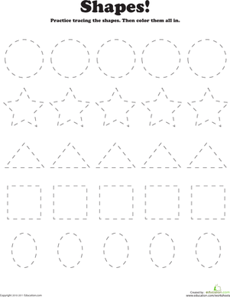
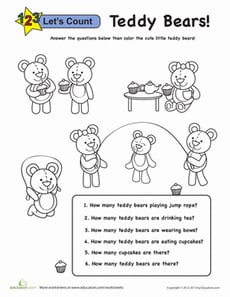
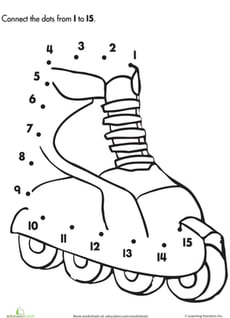
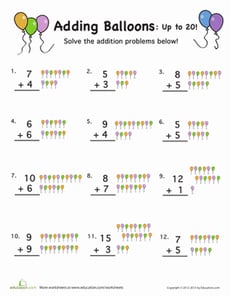
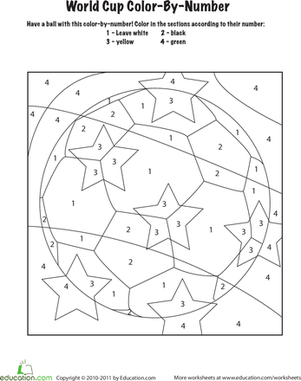
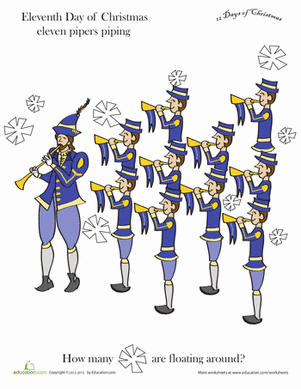
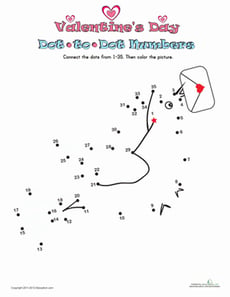
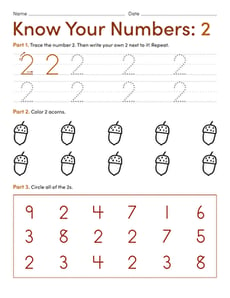
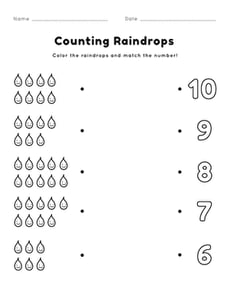
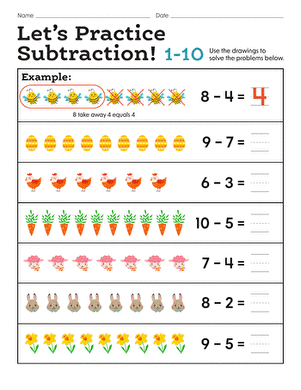
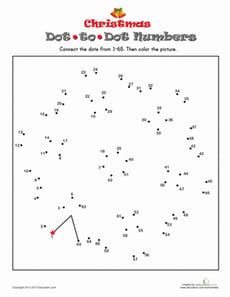
On Education.com, this page provides a variety of early childhood math resources including worksheets, printable activities, games, and lesson plans designed to introduce basic mathematical concepts to young learners. These resources help children explore numbers, counting, addition, subtraction, shapes, patterns, and measurement in engaging and hands-on ways. The page is a valuable tool for parents and teachers to access structured materials that make learning math fun and accessible for preschoolers and kindergarten students.
Educators and parents can use these structured worksheets and activities to reinforce classroom instruction and promote learning at home. Materials may include counting games, number recognition exercises, pattern activities, and problems that encourage critical thinking. By providing clear, beginner-friendly templates and interactive options, the page makes it easier to track progress and support early math development.
Using these resources in a classroom or homeschool setting helps save planning time and provides consistent, engaging content for young learners. The collection offers diverse formats like worksheets, interactive exercises, and printable games. This accessibility makes it simple to design lessons that develop confident, curious, and capable mathematicians.
Educators and parents can use these structured worksheets and activities to reinforce classroom instruction and promote learning at home. Materials may include counting games, number recognition exercises, pattern activities, and problems that encourage critical thinking. By providing clear, beginner-friendly templates and interactive options, the page makes it easier to track progress and support early math development.
Using these resources in a classroom or homeschool setting helps save planning time and provides consistent, engaging content for young learners. The collection offers diverse formats like worksheets, interactive exercises, and printable games. This accessibility makes it simple to design lessons that develop confident, curious, and capable mathematicians.