Fact and Opinion Resources

27 results
English Language Arts
✕27 results
Subtopics:
- Analyze Characters
- Author's Purpose
- Cause and Effect
- Compare and Contrast
- Comprehension Questions
- Fact and Opinion✕
- Main Idea
- Make Connections
- Make Inferences
- Make Predictions
- Point of View and Perspective
- Problem and Solution
- Sequence of Events
- Story Elements
- Summarize and Retell
- Text Features
- Text Structure
- Theme
- Word Choice
Fact and Opinion Resources
27 results
English Language Arts
✕27 results

















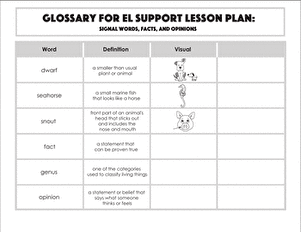
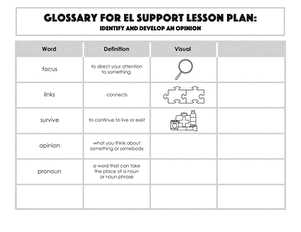

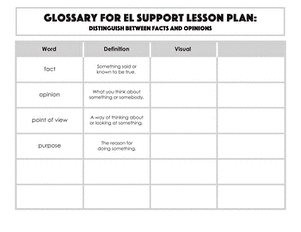




About Fact And Opinion Resources
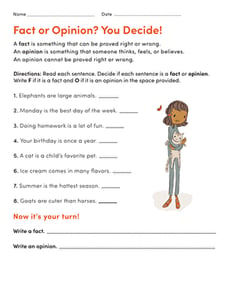
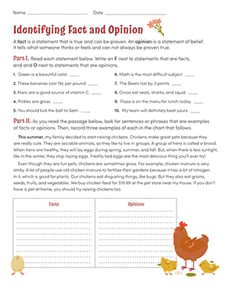
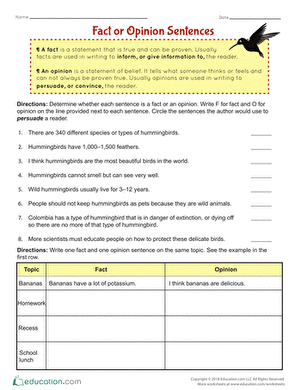
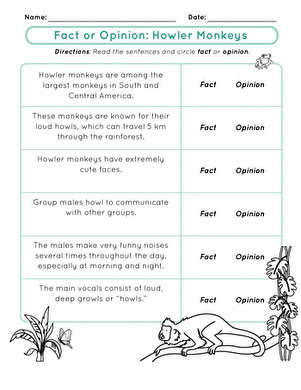
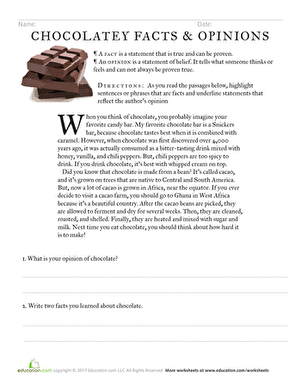
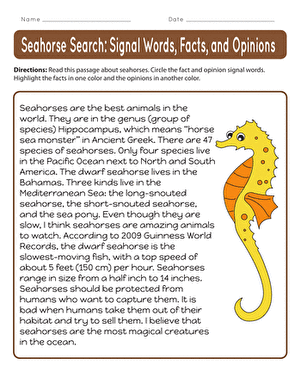
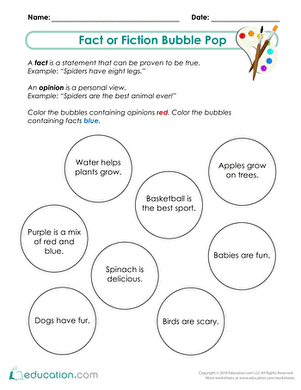
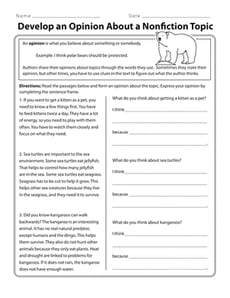
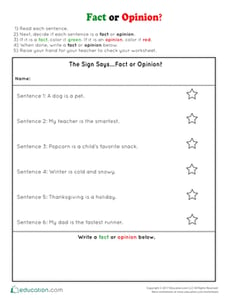
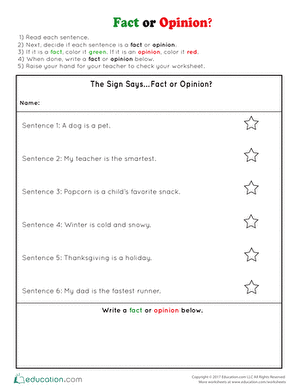
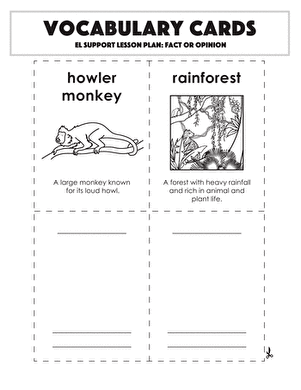
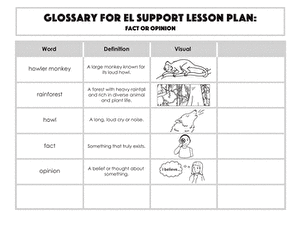
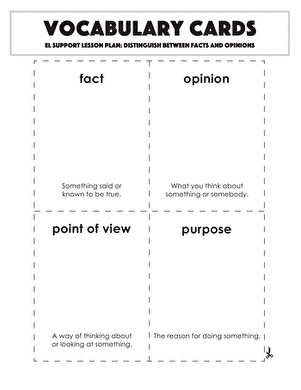
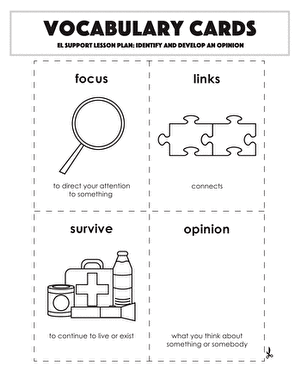
On Education.com, learn about fact and opinion resources through lesson plans, worksheets, and classroom activities that help students distinguish between factual statements and personal opinions. These educational materials introduce critical thinking skills and enhance reading comprehension with exercises focusing on identifying statements as fact or opinion across various texts.
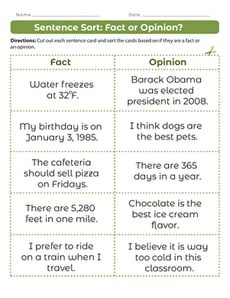
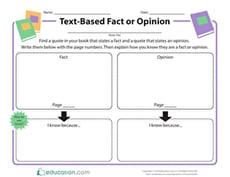
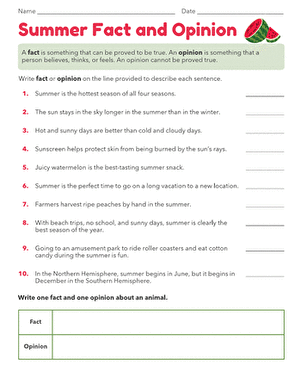
Students can explore digital collections of worksheets, interactive games, and quizzes that practice determining whether a statement presents a fact or an opinion. These resources provide guided examples, practice exercises, and assessments to reinforce understanding and strengthen evidence-based reasoning in reading and writing.
Parents and teachers can utilize fact and opinion resources to create engaging lessons, quick practice sessions, or classroom interactions for students at all grade levels. By providing structured activities that highlight the differences between facts and opinions, educators support development of cognitive skills and critical literacy education.
Students can explore digital collections of worksheets, interactive games, and quizzes that practice determining whether a statement presents a fact or an opinion. These resources provide guided examples, practice exercises, and assessments to reinforce understanding and strengthen evidence-based reasoning in reading and writing.
Parents and teachers can utilize fact and opinion resources to create engaging lessons, quick practice sessions, or classroom interactions for students at all grade levels. By providing structured activities that highlight the differences between facts and opinions, educators support development of cognitive skills and critical literacy education.