
Ending Letter Sounds Resources
159 results
English Language Arts
✕Sort by:
159 results
Sort by:
























About Ending Letter Sounds Resources
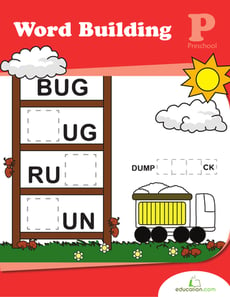
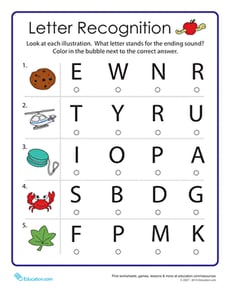
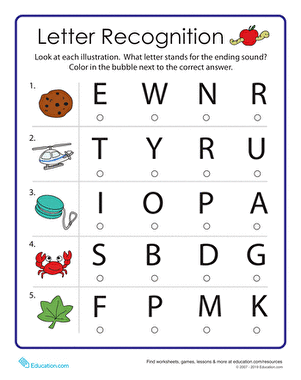
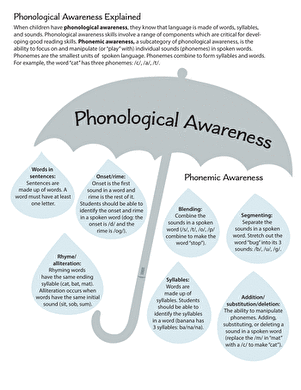
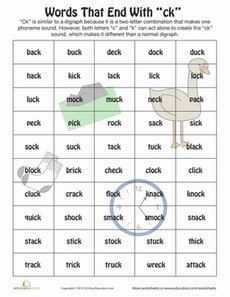
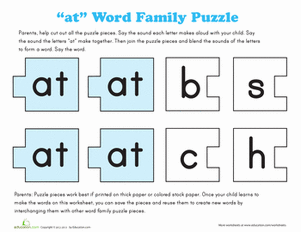
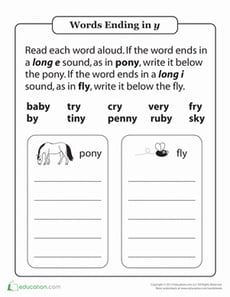
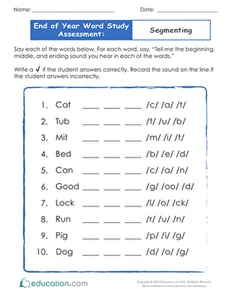
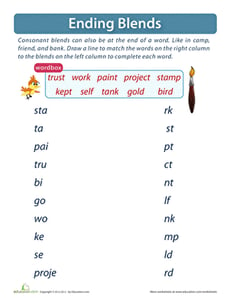
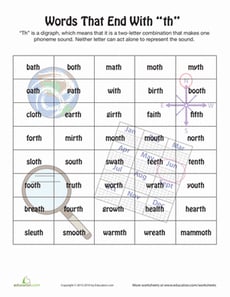
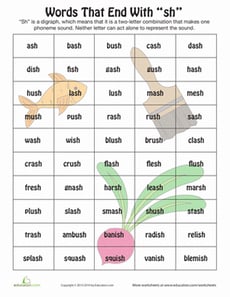
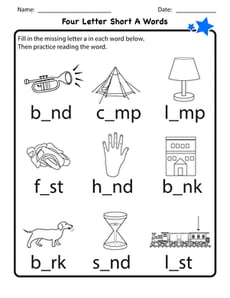
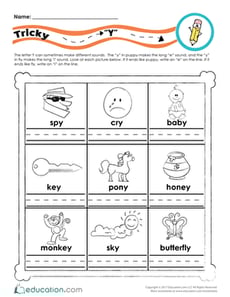
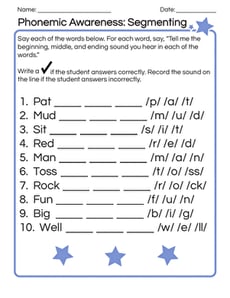
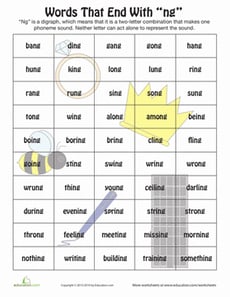
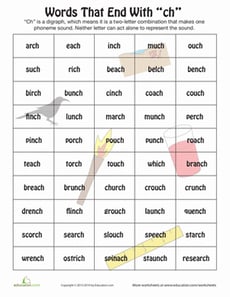
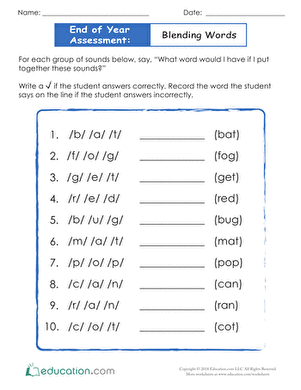
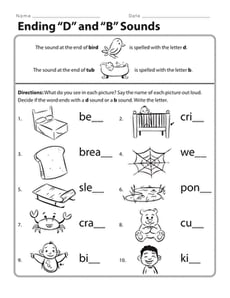
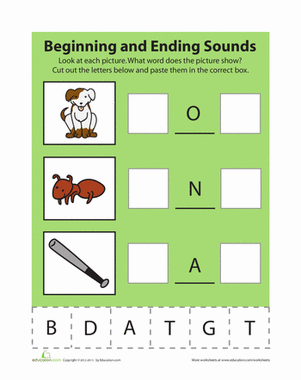
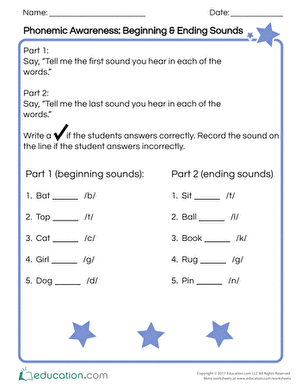
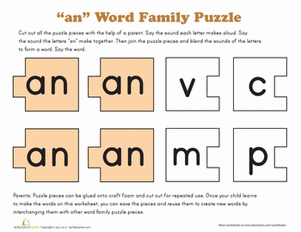
On Education.com, ending letter sounds resources include printable worksheets, cut-and-paste activities, matching exercises, coloring sheets, and interactive fluency strips. These materials are designed to help children recognize and practice final consonant sounds in words, supporting early reading and writing skills. Each resource provides educators and parents with engaging ways to reinforce phonemic awareness for young learners. By providing structured and fun practice options, children can develop confidence in identifying sounds in cvc words and simple sentences.
This page offers a variety of teaching aids such as lesson plans, tactile cueing boards, digital games, and educational videos that emphasize ending sounds. These resources are structured to encourage both classroom instruction and at-home learning, making it easy to adapt to small-group or independent practice. Incorporating aligned worksheets into daily instruction helps students strengthen phonetic skills and lays a foundation for spelling and vocabulary development.
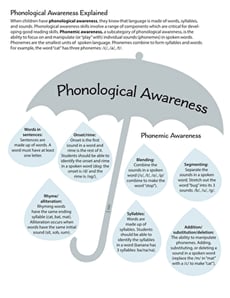
Using these materials in educational or home settings supports phoneme awareness skills, improves spelling, and promotes confident reading development. Educators can track progress through structured activities, while parents observe and support early literacy learning. With printable resources and guided exercises, children can enjoy interactive practice that builds foundational reading confidence while having fun.
This page offers a variety of teaching aids such as lesson plans, tactile cueing boards, digital games, and educational videos that emphasize ending sounds. These resources are structured to encourage both classroom instruction and at-home learning, making it easy to adapt to small-group or independent practice. Incorporating aligned worksheets into daily instruction helps students strengthen phonetic skills and lays a foundation for spelling and vocabulary development.
Using these materials in educational or home settings supports phoneme awareness skills, improves spelling, and promotes confident reading development. Educators can track progress through structured activities, while parents observe and support early literacy learning. With printable resources and guided exercises, children can enjoy interactive practice that builds foundational reading confidence while having fun.