
Irony Resources
4 results
English Language Arts
✕Sort by:
4 results
Sort by:




About Irony Resources
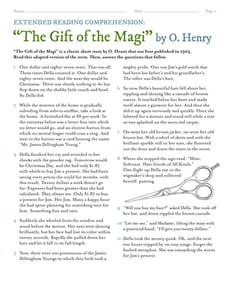
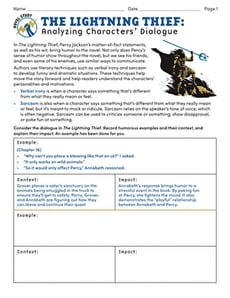
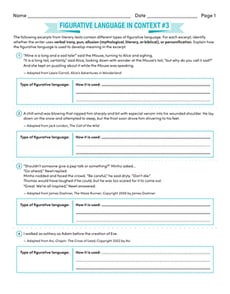
On Education.com, Irony Resources provides educational materials, worksheets, and activities that explore the concept of irony, including verbal, situational, and dramatic irony. These resources help students identify and understand irony in literature, songs, and daily life by providing examples from texts such as 'The Sniper' or pop culture references like Alanis Morissette's 'Ironic.' This structured approach enhances comprehension, critical thinking, and literary analysis skills. Educators and parents can use these materials to create engaging lessons that deepen students' understanding of irony and promote analytical reading.
On Education.com, Irony Resources offers printable worksheets, classroom activities, and lesson plans to practice identifying and applying different types of irony. These resources support structured learning by providing exercises that challenge students to recognize irony in text and media, analyze its impact, and create their own examples. Accessing these materials enables teachers to save time planning and provides students with concrete, hands-on practice that makes literary devices accessible and memorable. The materials cater to a range of ability levels, encouraging learners to think creatively and critically.
On Education.com, Irony Resources helps students analyze literature using a variety of activities, from worksheets and comprehension exercises to creative projects. These resources are practical tools for teaching the three types of irony and encouraging application across texts and media students encounter. By using real-world examples and engaging exercises, educators and parents can foster a deeper understanding of literary irony while promoting discussion and interpretation. Structured but flexible, these materials support meaningful learning and spark an interest in literature and storytelling.
On Education.com, Irony Resources offers printable worksheets, classroom activities, and lesson plans to practice identifying and applying different types of irony. These resources support structured learning by providing exercises that challenge students to recognize irony in text and media, analyze its impact, and create their own examples. Accessing these materials enables teachers to save time planning and provides students with concrete, hands-on practice that makes literary devices accessible and memorable. The materials cater to a range of ability levels, encouraging learners to think creatively and critically.
On Education.com, Irony Resources helps students analyze literature using a variety of activities, from worksheets and comprehension exercises to creative projects. These resources are practical tools for teaching the three types of irony and encouraging application across texts and media students encounter. By using real-world examples and engaging exercises, educators and parents can foster a deeper understanding of literary irony while promoting discussion and interpretation. Structured but flexible, these materials support meaningful learning and spark an interest in literature and storytelling.