Kindergarten Fabric Projects Life Science Resources

Kindergarten Fabric Projects Life Science Resources
1 result
Science
✕Kindergarten
✕Fabric Projects
✕1 result

About Kindergarten Fabric Projects Life Science Resources
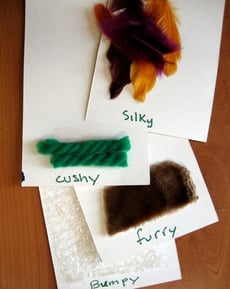
On Education.com, kindergarten fabric projects help young students explore sensorimotor and tactile experiences. These hands-on activities are designed to teach concepts like texture, color, and pattern while fostering fine motor skills and creativity. Examples include creating texture books with fabric squares, making quilting patterns, or sorting fabrics by feel, which encourages sensory development and early science observation.
The collection features printable resources, project ideas, and guided activities that support connections to life science and material sciences. Students can investigate natural fibers, explore the differences between fabrics, or observe textures that resemble plants, animals, or natural landscapes. These materials provide engaging ways to enhance observation skills and understanding of the physical properties of materials.
Parents and teachers can use these fabric projects to incorporate hands-on learning at home or in the classroom while reinforcing early science concepts. The resources enable structured exploration of materials, creative expression, and observation activities, making science fun and accessible for young learners. Educators can also adapt projects to group sizes or individual learning paces to create an inclusive sensory exploration experience.
The collection features printable resources, project ideas, and guided activities that support connections to life science and material sciences. Students can investigate natural fibers, explore the differences between fabrics, or observe textures that resemble plants, animals, or natural landscapes. These materials provide engaging ways to enhance observation skills and understanding of the physical properties of materials.
Parents and teachers can use these fabric projects to incorporate hands-on learning at home or in the classroom while reinforcing early science concepts. The resources enable structured exploration of materials, creative expression, and observation activities, making science fun and accessible for young learners. Educators can also adapt projects to group sizes or individual learning paces to create an inclusive sensory exploration experience.