Kindergarten Earth Day Measurement Resources

2 results
Math
✕Kindergarten
✕Earth Day
✕2 results
Subtopics:
Kindergarten Earth Day Measurement Resources
2 results
Math
✕Kindergarten
✕Earth Day
✕2 results


About Kindergarten Earth Day Measurement Resources
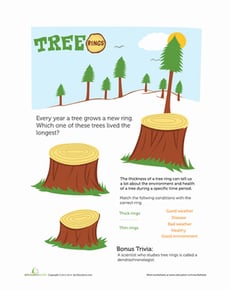
On Education.com, you can find a wide range of earth day measurement worksheets, lesson plans, and activities designed to help kindergarten students explore environmental themes and practice maths skills. These resources introduce young learners to concepts like measuring trees, collecting and comparing natural objects, and understanding the importance of Earth while reinforcing foundational measurement skills. By incorporating hands-on activities, educators can create engaging lessons that connect scientific observation with math practice.
This page provides printable measurement worksheets, interactive games, and classroom activities that encourage students to apply math concepts to real-world situations. Materials include tree height estimations, water and soil measurements, and other nature-based exercises. Parents and teachers can use these resources to enhance STEM lessons, promote environmental awareness, and make learning measurement both fun and meaningful for young children.
Using these Earth Day measurement materials, students can sharpen their numerical skills while engaging with natural environments. By recording, comparing, and analyzing measurements, children gain practical experience in math and science while participating in eco-friendly celebrations. This approach helps cultivate curiosity about the environment and reinforces academic concepts through hands-on learning.
This page provides printable measurement worksheets, interactive games, and classroom activities that encourage students to apply math concepts to real-world situations. Materials include tree height estimations, water and soil measurements, and other nature-based exercises. Parents and teachers can use these resources to enhance STEM lessons, promote environmental awareness, and make learning measurement both fun and meaningful for young children.
Using these Earth Day measurement materials, students can sharpen their numerical skills while engaging with natural environments. By recording, comparing, and analyzing measurements, children gain practical experience in math and science while participating in eco-friendly celebrations. This approach helps cultivate curiosity about the environment and reinforces academic concepts through hands-on learning.