
Subtopics:
Foreshadowing Activities
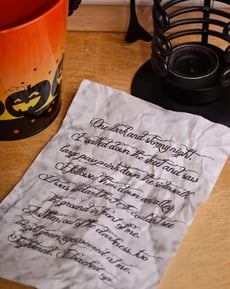

About Foreshadowing Activities
On Education.com, foreshadowing activities help teach students to recognize hints about future story events, building suspense and comprehension. These lessons often include analyzing clues in texts such as dialogue, weather, symbols, or objects. Educators can use printable worksheets, story analysis exercises, or group discussion prompts to support this skill. Incorporating these activities enhances critical thinking and reading fluency.
On Education.com, foreshadowing activities provide engaging ways for students to practice predicting outcomes and connecting story elements. Resources including prediction exercises, creative writing prompts that add subtle clues, and visual storyboards help learners deepen their understanding of narrative structure. These materials make learning both fun and educational while strengthening analytical skills.
On Education.com, teachers and parents can access a variety of foreshadowing activities to enhance story comprehension and critical thinking. These include classroom lesson plans, at-home practice worksheets, group activities, and interactive games. By using structured prompts and hands-on tasks, educators can provide structured yet creative experiences that improve students’ ability to identify story hints and develop stronger reading and writing abilities.
On Education.com, foreshadowing activities provide engaging ways for students to practice predicting outcomes and connecting story elements. Resources including prediction exercises, creative writing prompts that add subtle clues, and visual storyboards help learners deepen their understanding of narrative structure. These materials make learning both fun and educational while strengthening analytical skills.
On Education.com, teachers and parents can access a variety of foreshadowing activities to enhance story comprehension and critical thinking. These include classroom lesson plans, at-home practice worksheets, group activities, and interactive games. By using structured prompts and hands-on tasks, educators can provide structured yet creative experiences that improve students’ ability to identify story hints and develop stronger reading and writing abilities.